The physical structures of HOME are not incidental to its philosophy — they are an expression of it. Every building, every space, every design choice asks the same question: does this serve the life we are trying to live here?
The heart of the site
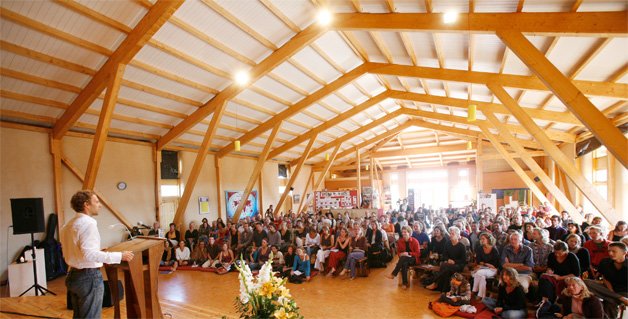
The Great Hall.
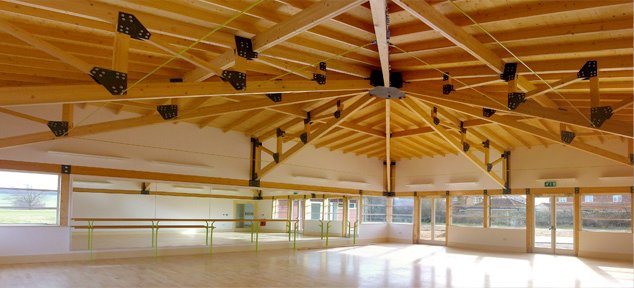
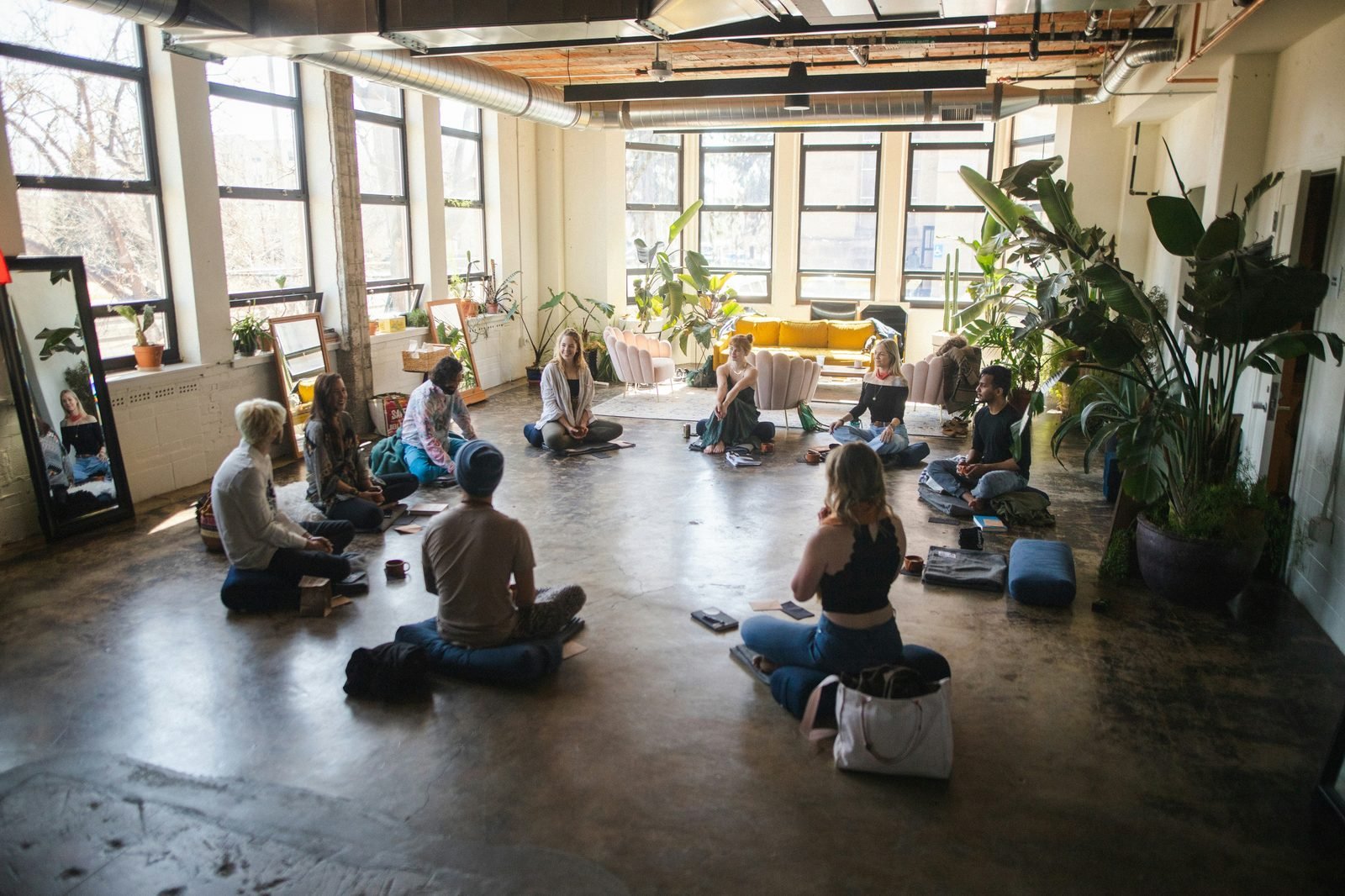
The central building of HOME is a large, flexible communal space capable of accommodating the entire tribe at once. It is the most important structure on the site — the village square made interior.
The Great Hall — gathering, ceremony, and communal eating
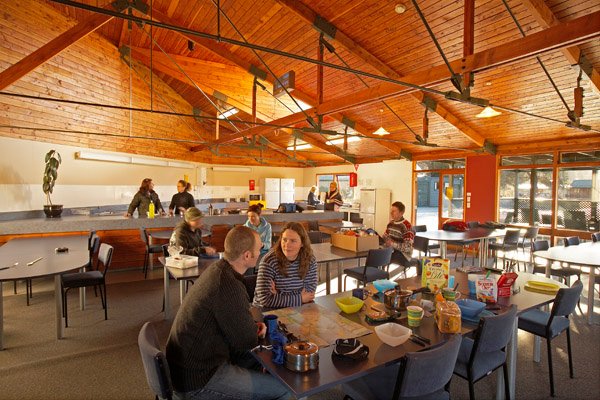
Dining
The place where the tribe gathers for the midday and evening meals. The table as altar.
Ceremony
The venue for the Into the Wow ceremony, tribe meetings, storytelling, choir, and all major gatherings.
Practice
Morning meditation, yoga, movement, and dance. A floor large enough for everyone to lie down together.
∿
Residential
The dwellings.
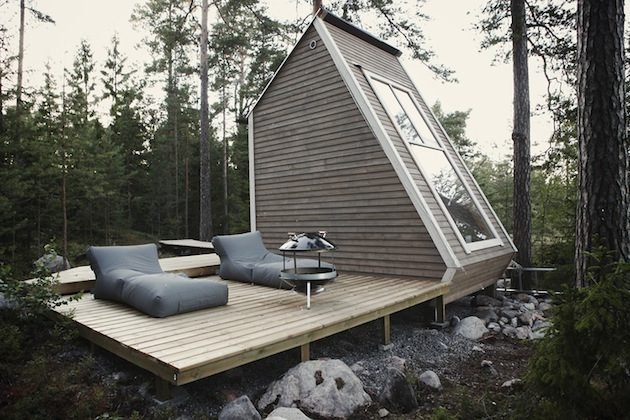
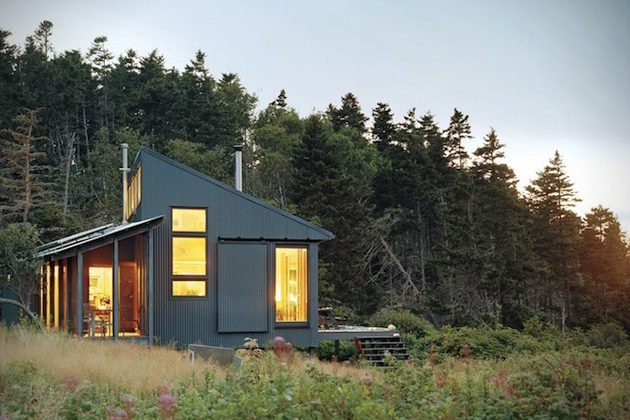
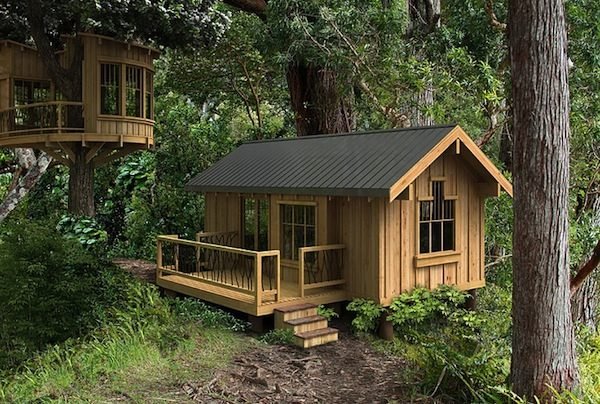
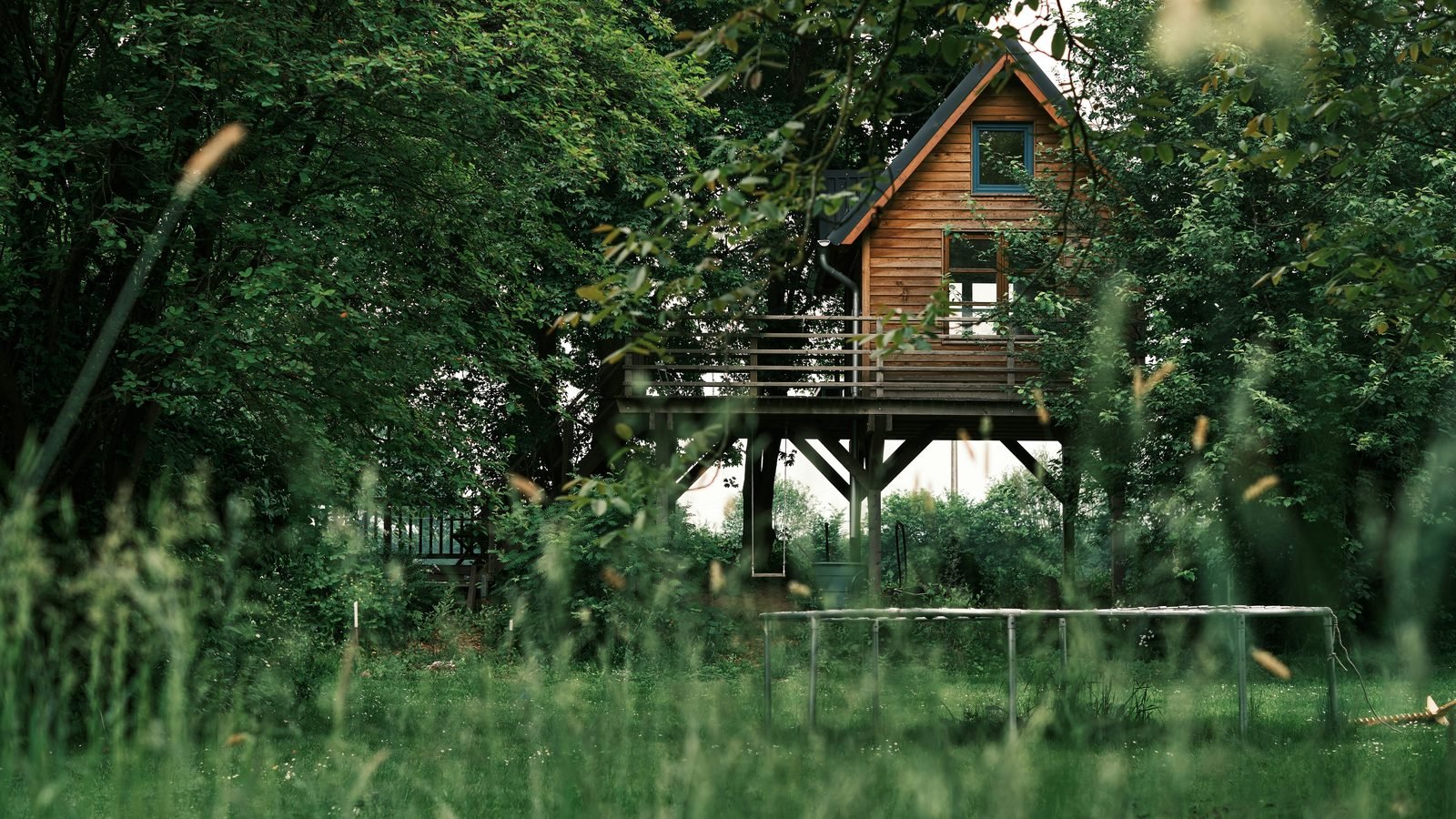
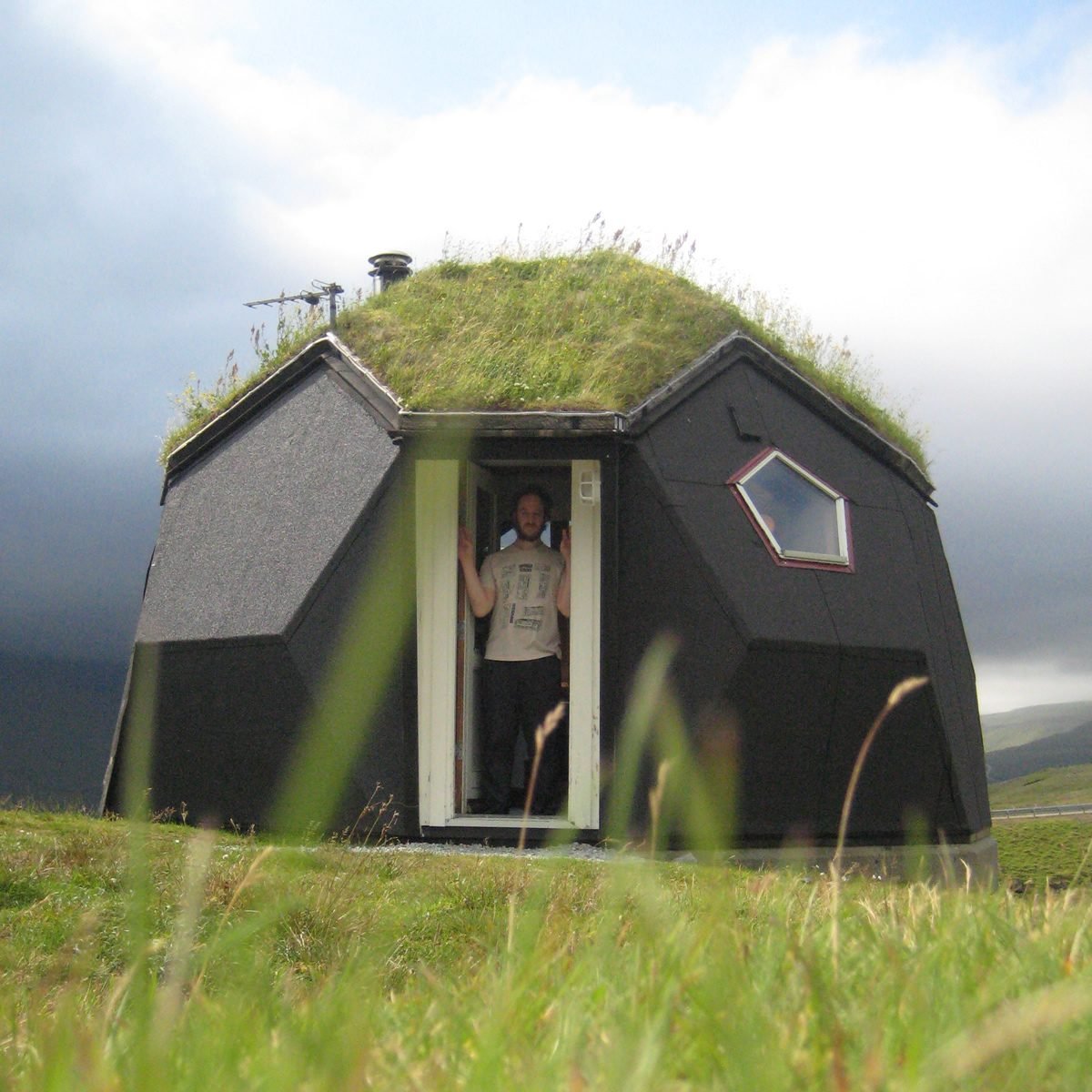
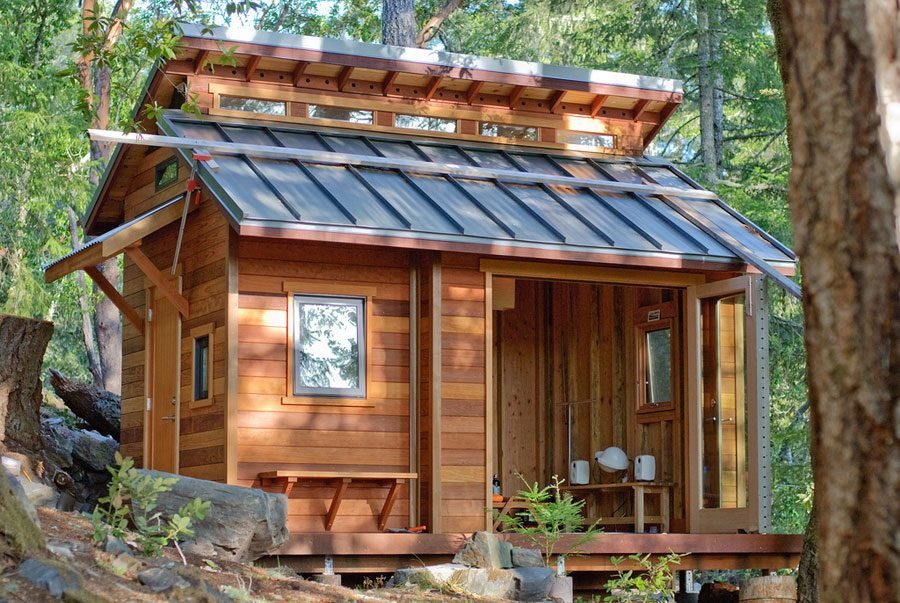
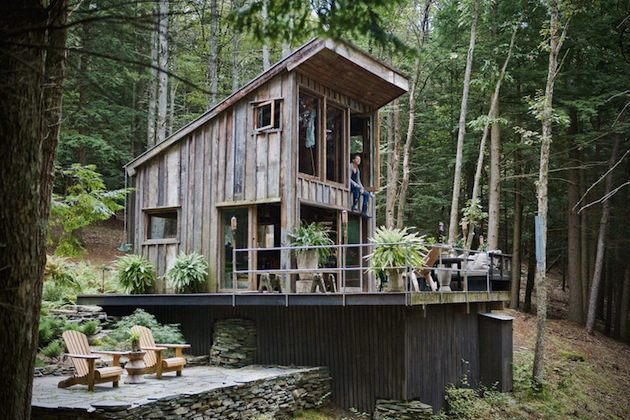
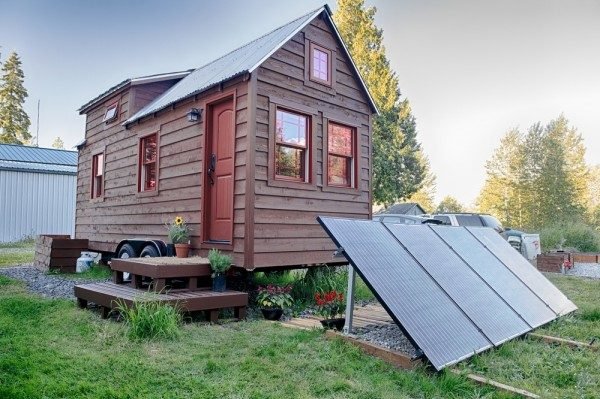
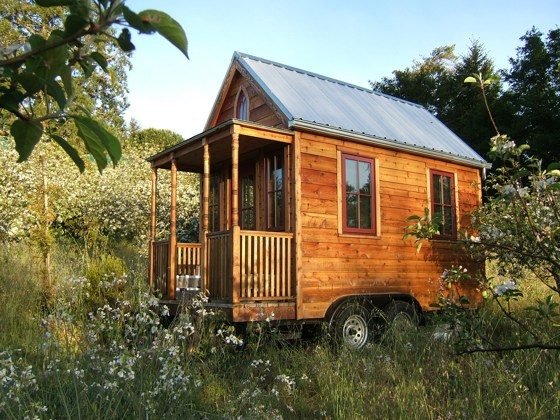
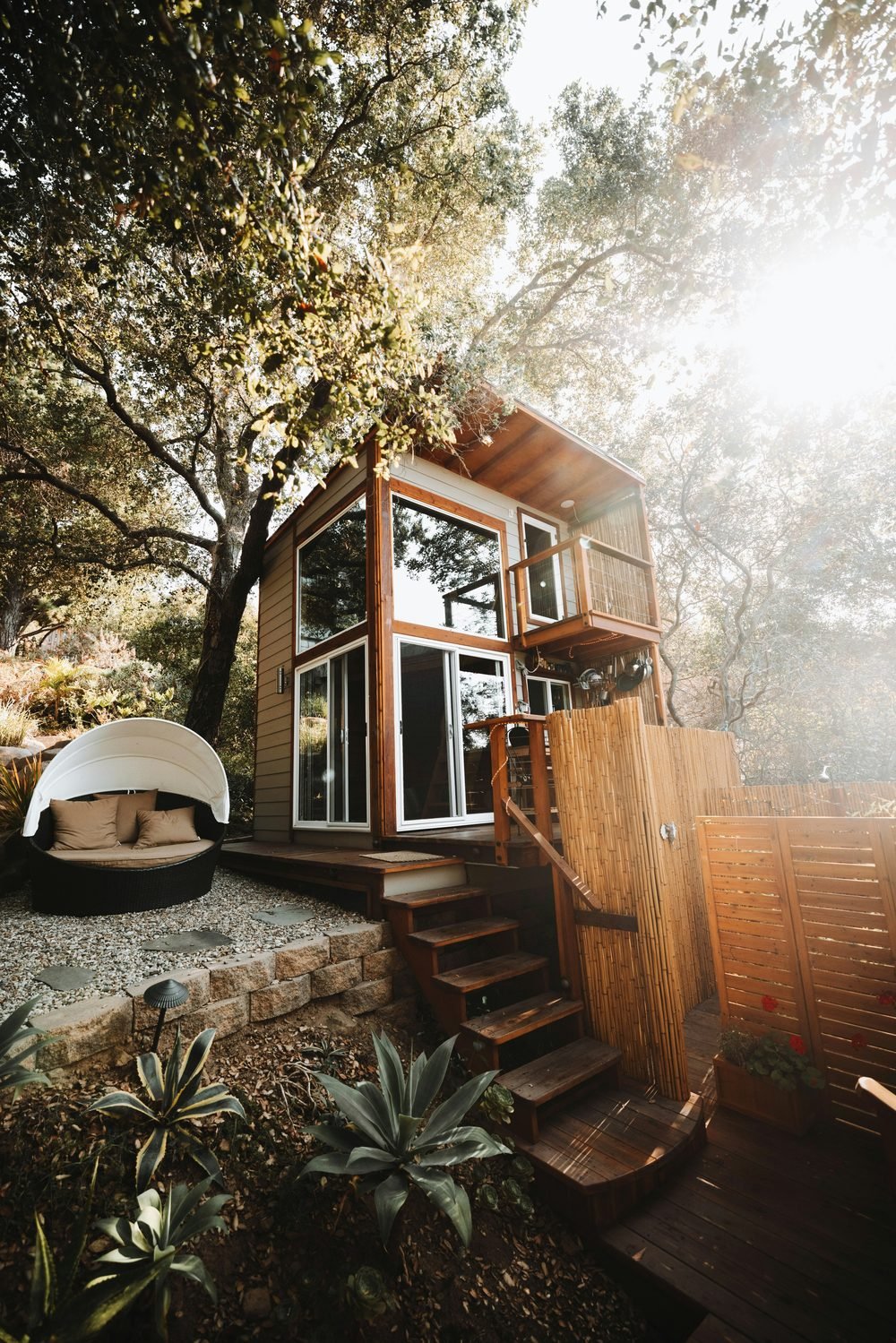
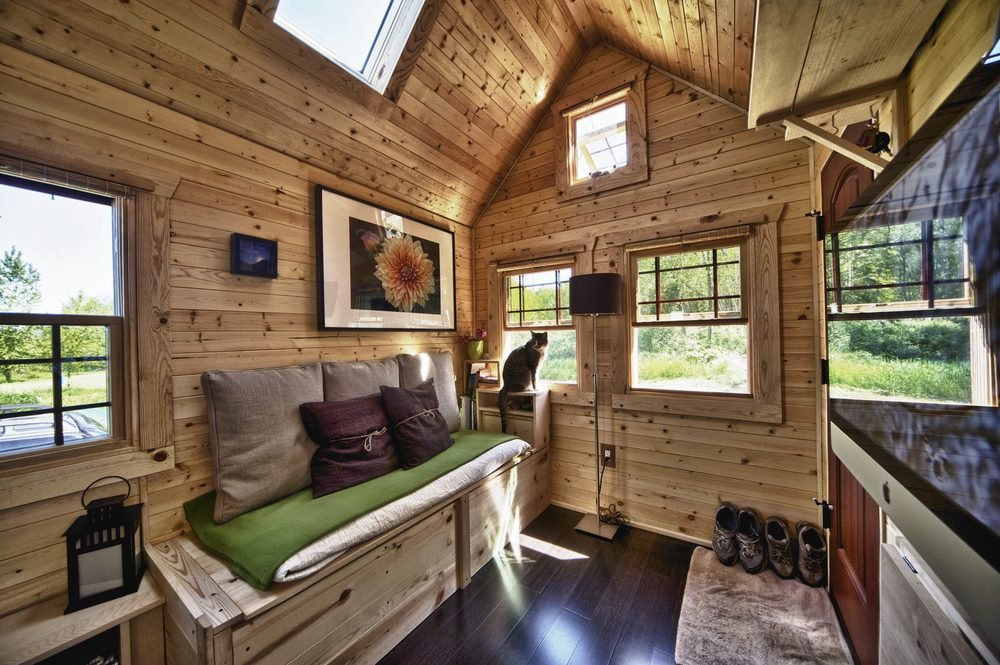
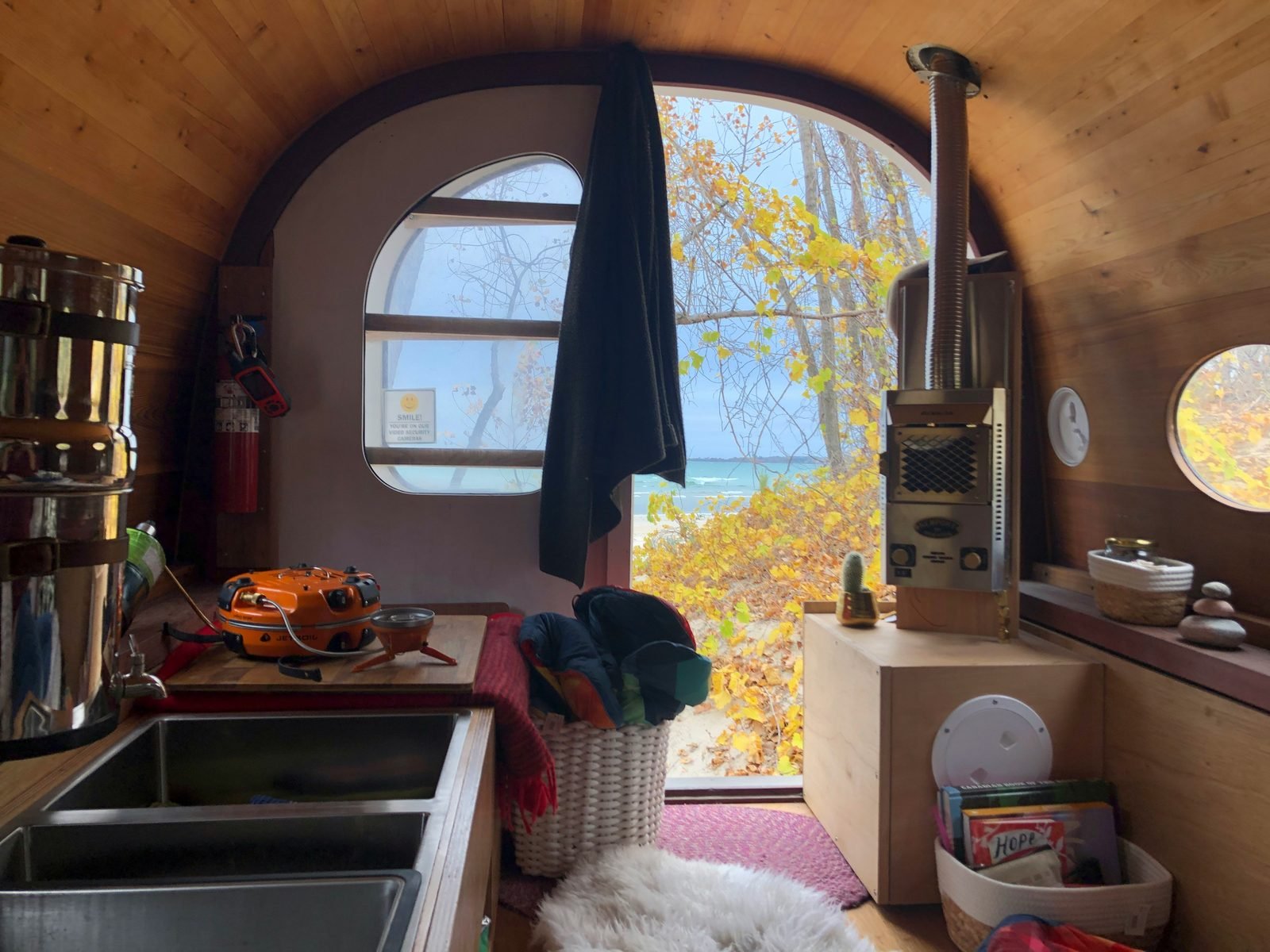
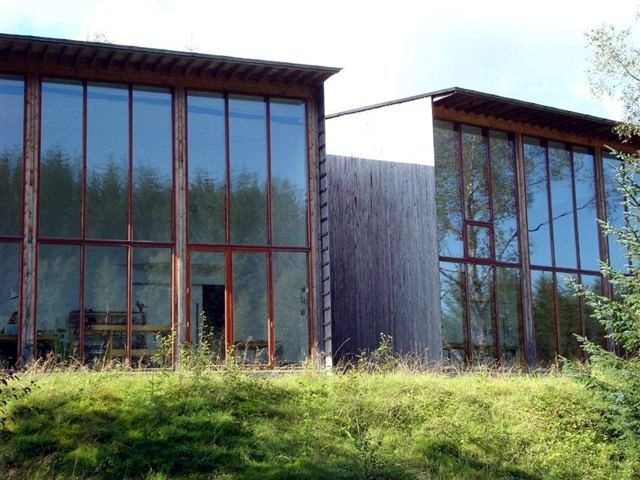
Residential spaces at HOME are called dwellings — like the dwellings of a living organism. Each one is fairly self-sufficient, private, and simple. They can take different forms: purpose-built cabins, modular buildings, tiny houses, or converted structures.
Family homes
Three homes adapted to different ages of children — early years, middle childhood, and teens. Families move between homes as their children grow. Each designed for homeschooling and screen-free living.
End of life sanctuaries
Private cabins of differing characters. At least one shared space for two people — partners or friends — who wish to inhabit the process together. Quiet, beautiful, tended.
The fasting sanctuary
A shared dormitory plus two or three private cabins. Physically separate from the eating spaces — a room apart, but never alone.
Birth sanctuaries
One to three cabins for mothers preparing for birth, close to the doula team accommodation. Calm, private, and oriented toward the natural world.
Team accommodation
Shared housing for the doula teams, kitchen staff, and core team members — designed for the overlapping schedules of people who work in threes.
Visitor dwellings
Simple, self-sufficient cabins for shorter-stay visitors — families coming to see residents, people attending workshops, prospective members.
A Range of Possibilities
∞
Creative spaces
The studios.
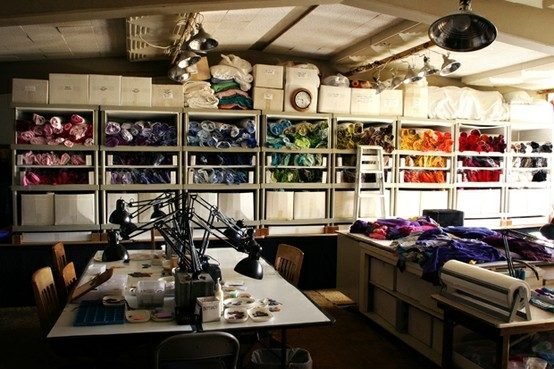
Textiles
Sewing, embroidery, patchwork, garment-making. Clothing as creative practice.
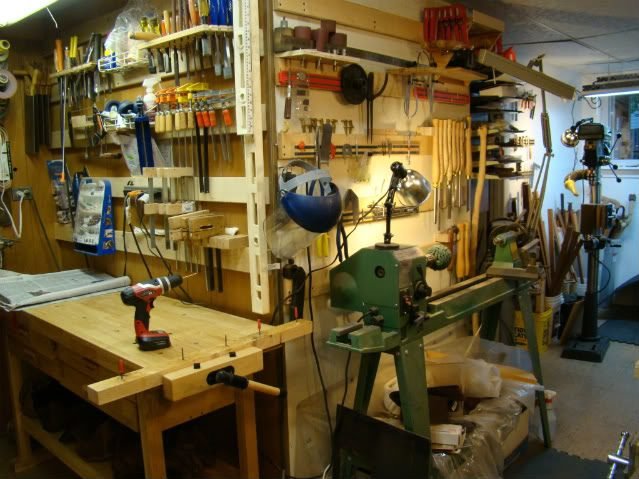
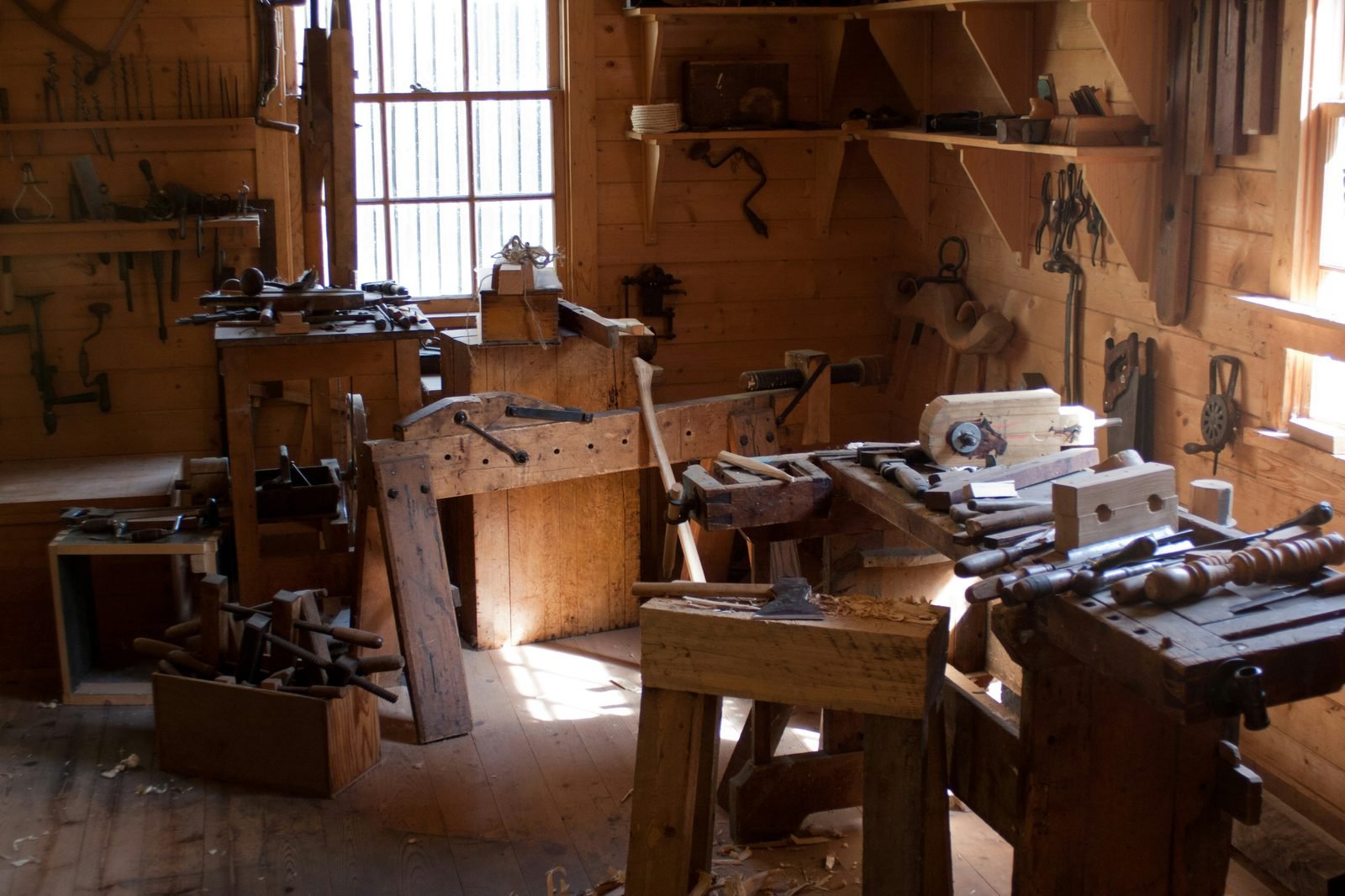
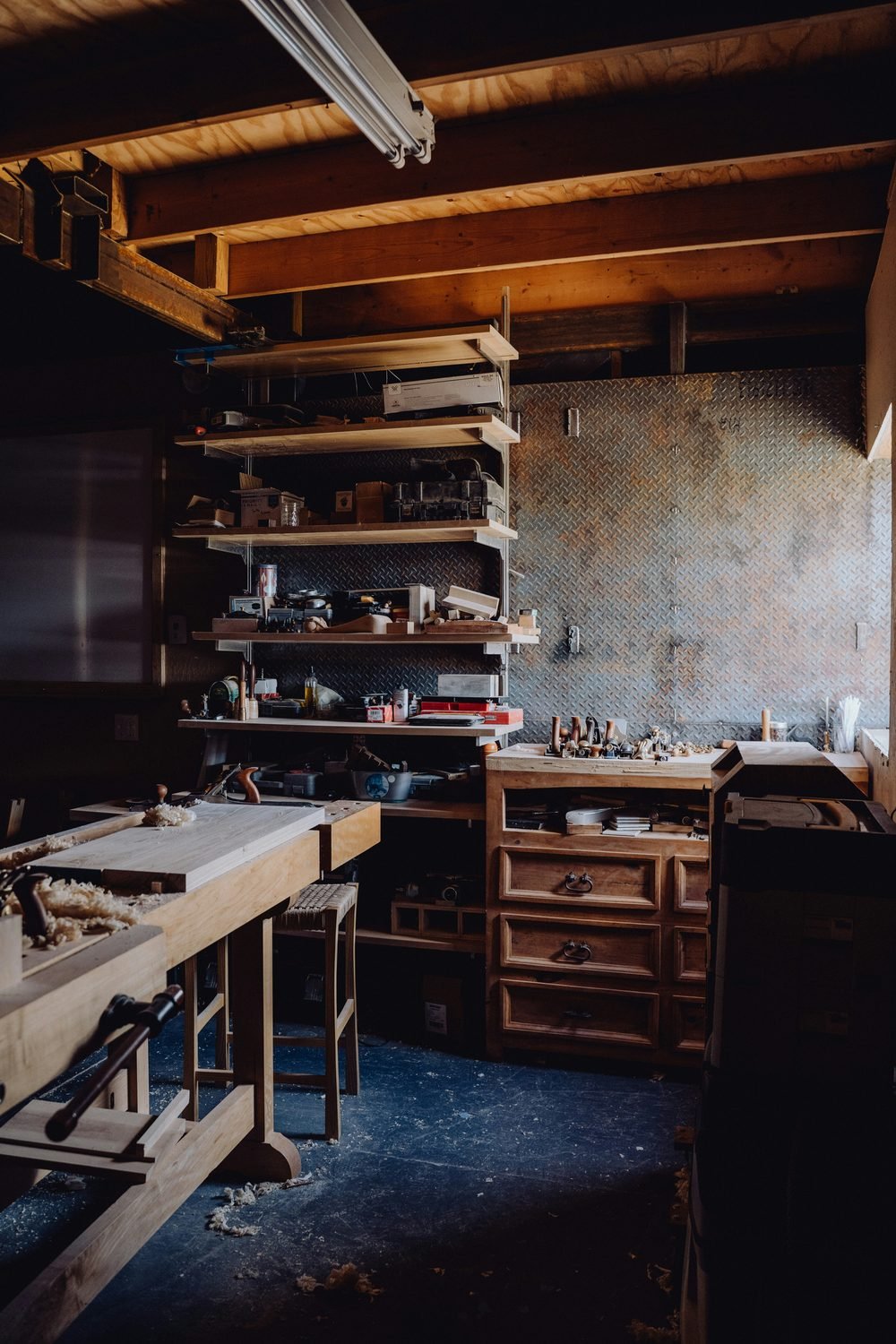
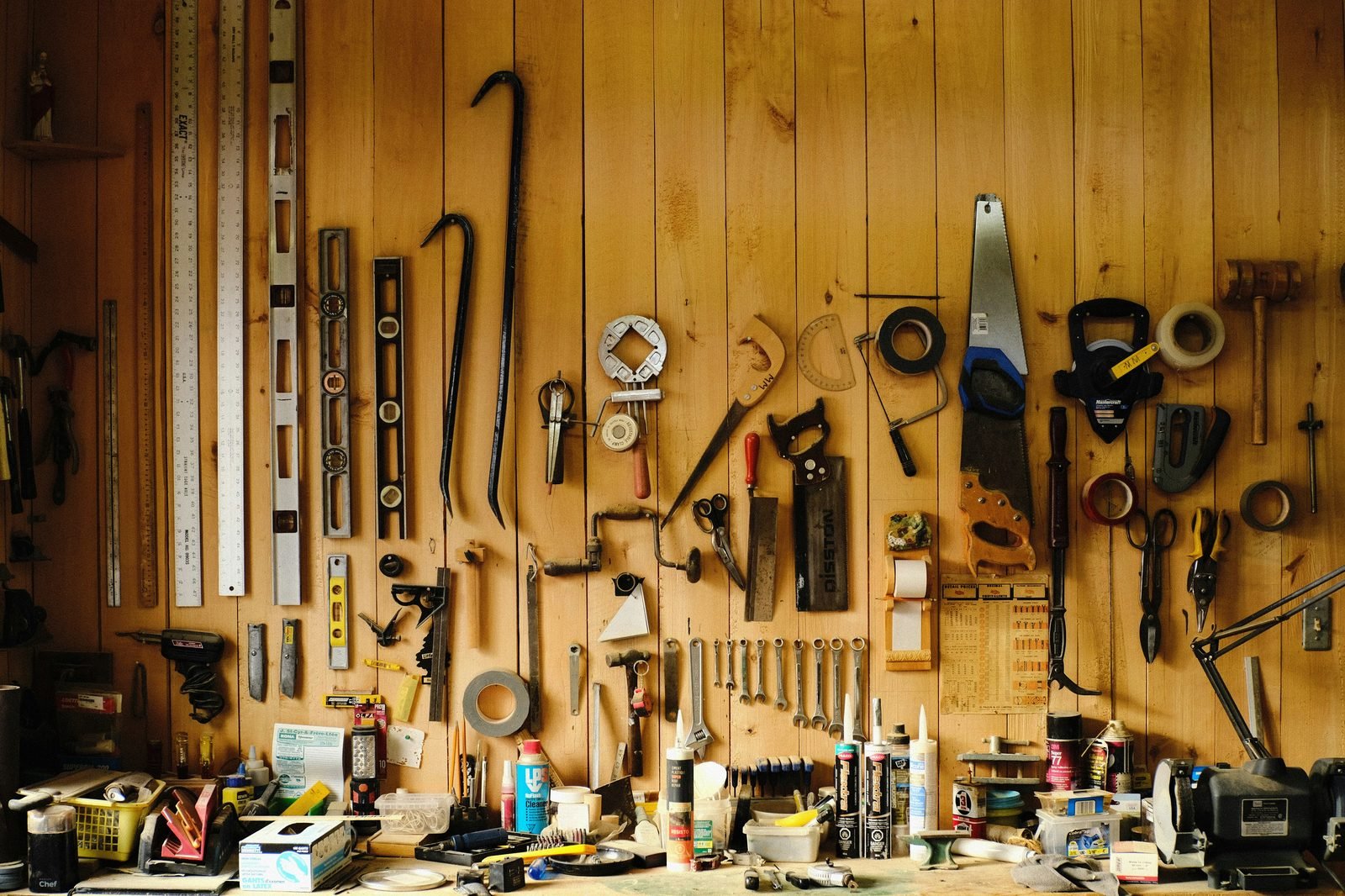
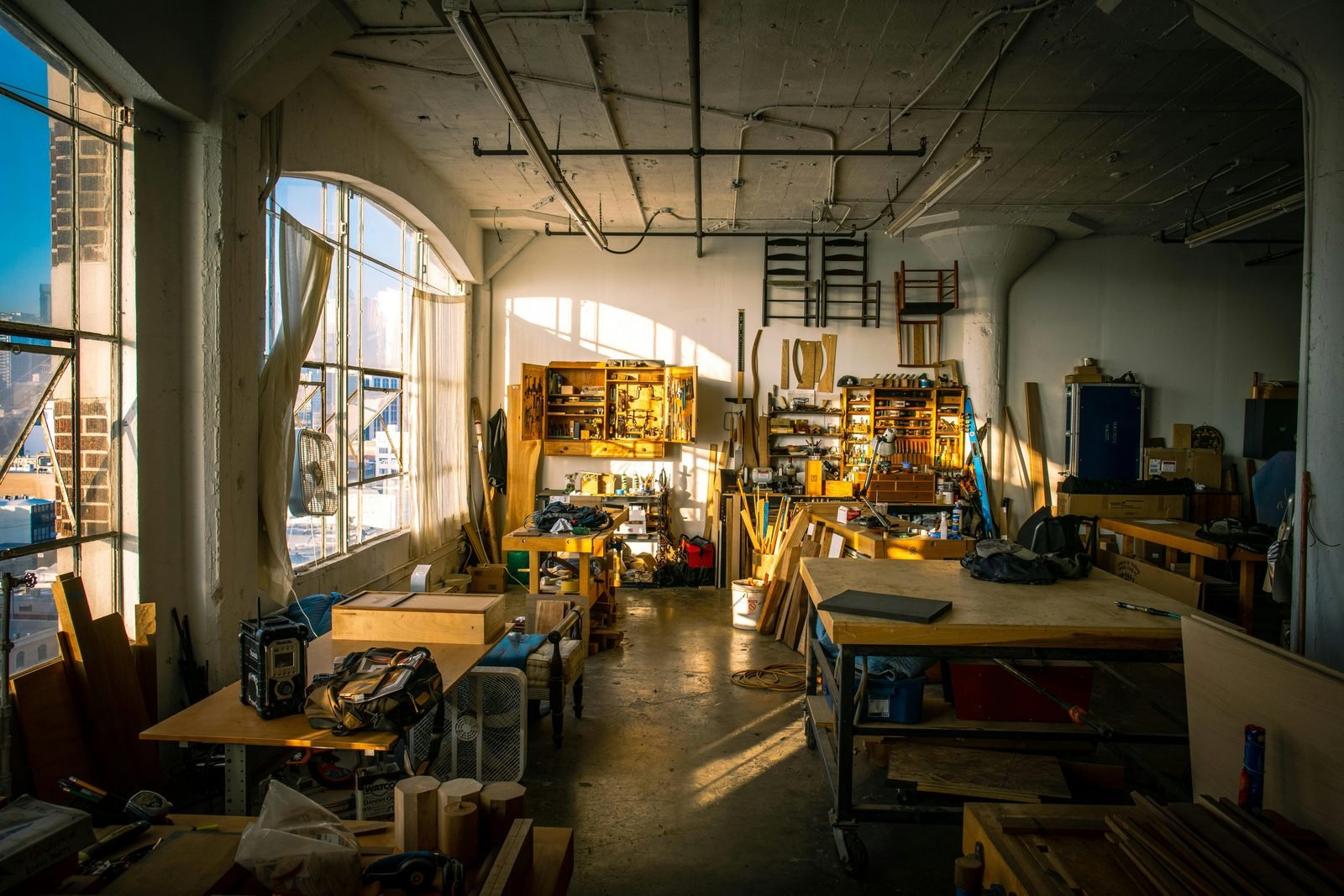
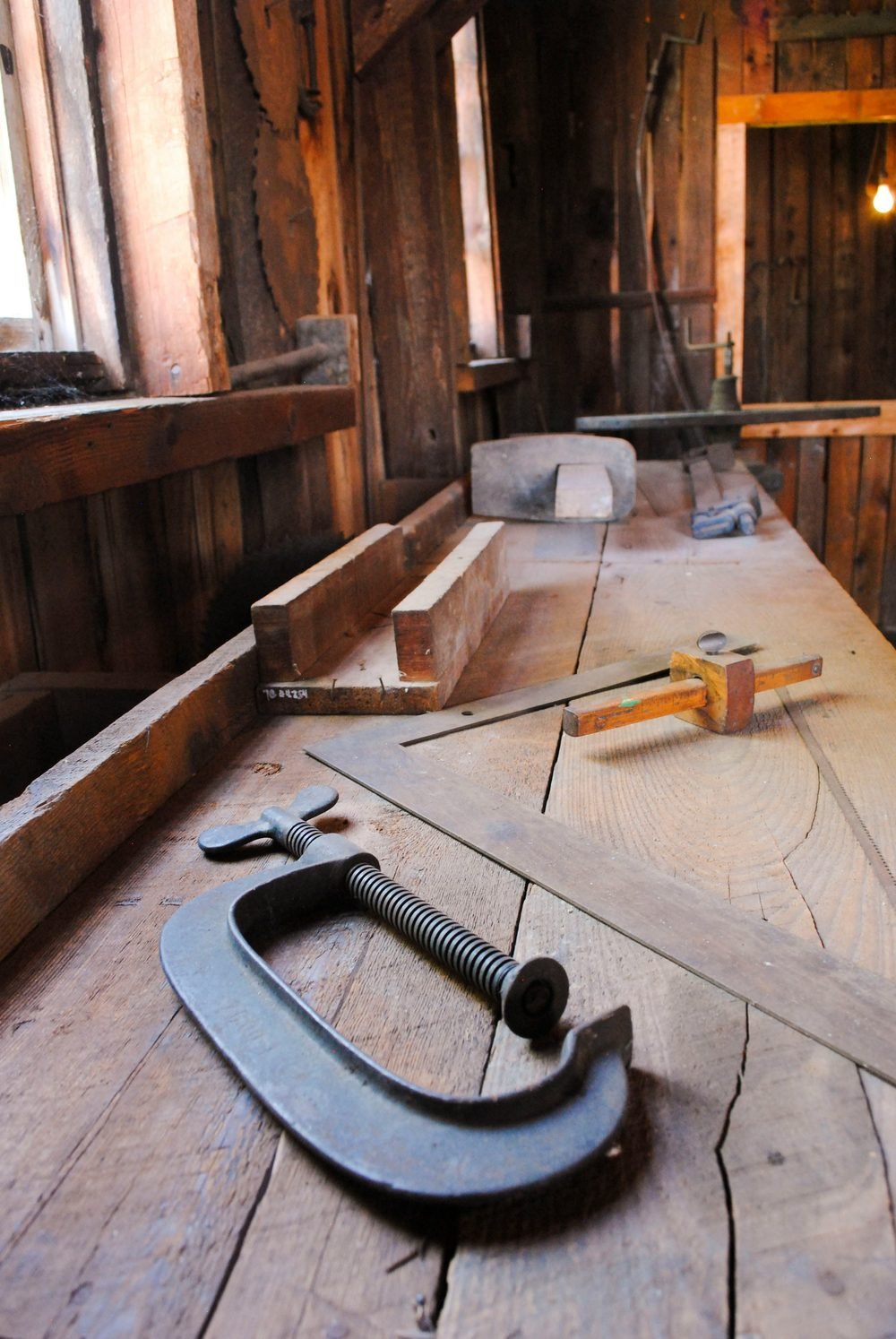
Wood
A fully equipped woodworking workshop for building, carving, and making.
Metal
Metalwork, welding, and fabrication for both functional and artistic purposes.
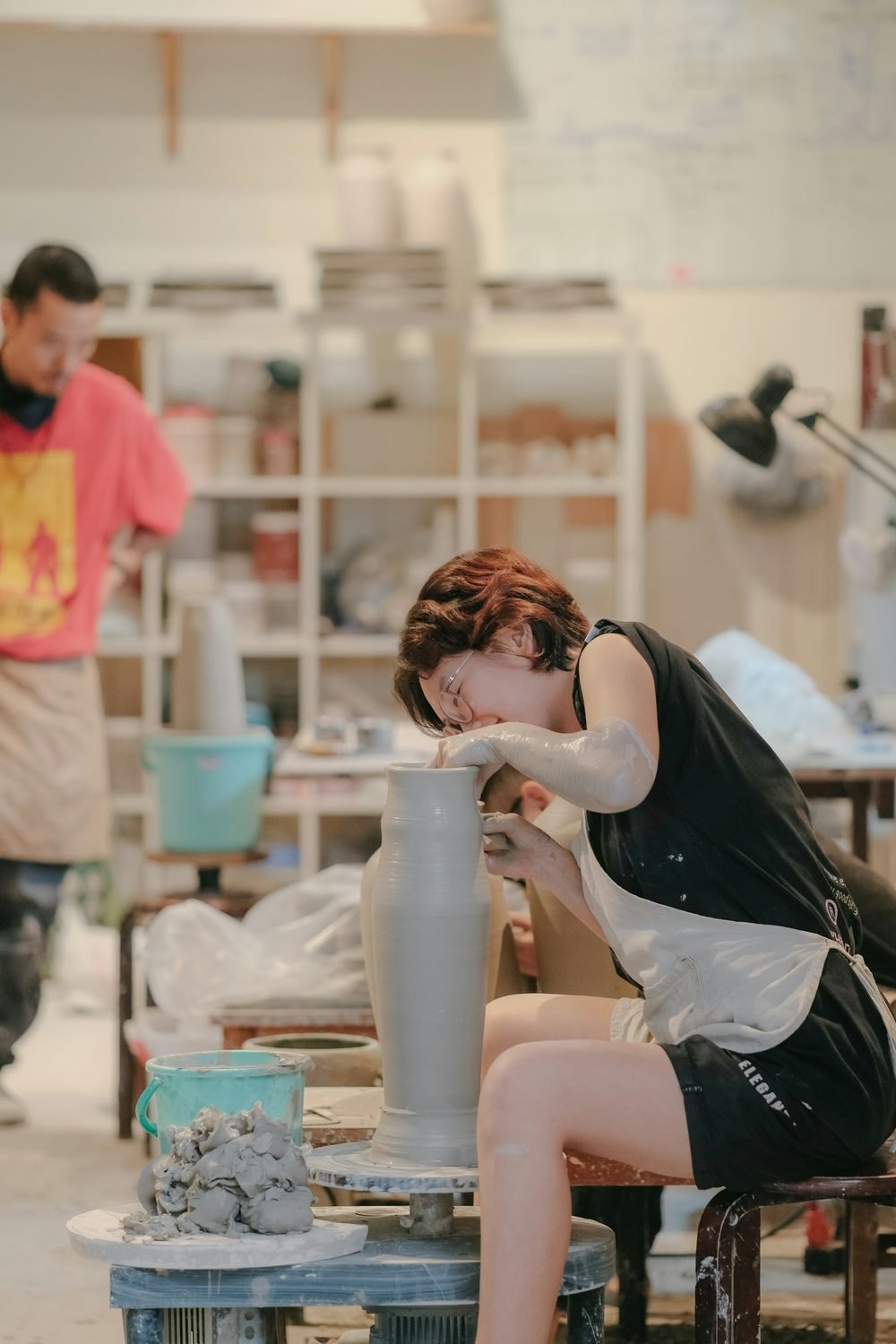
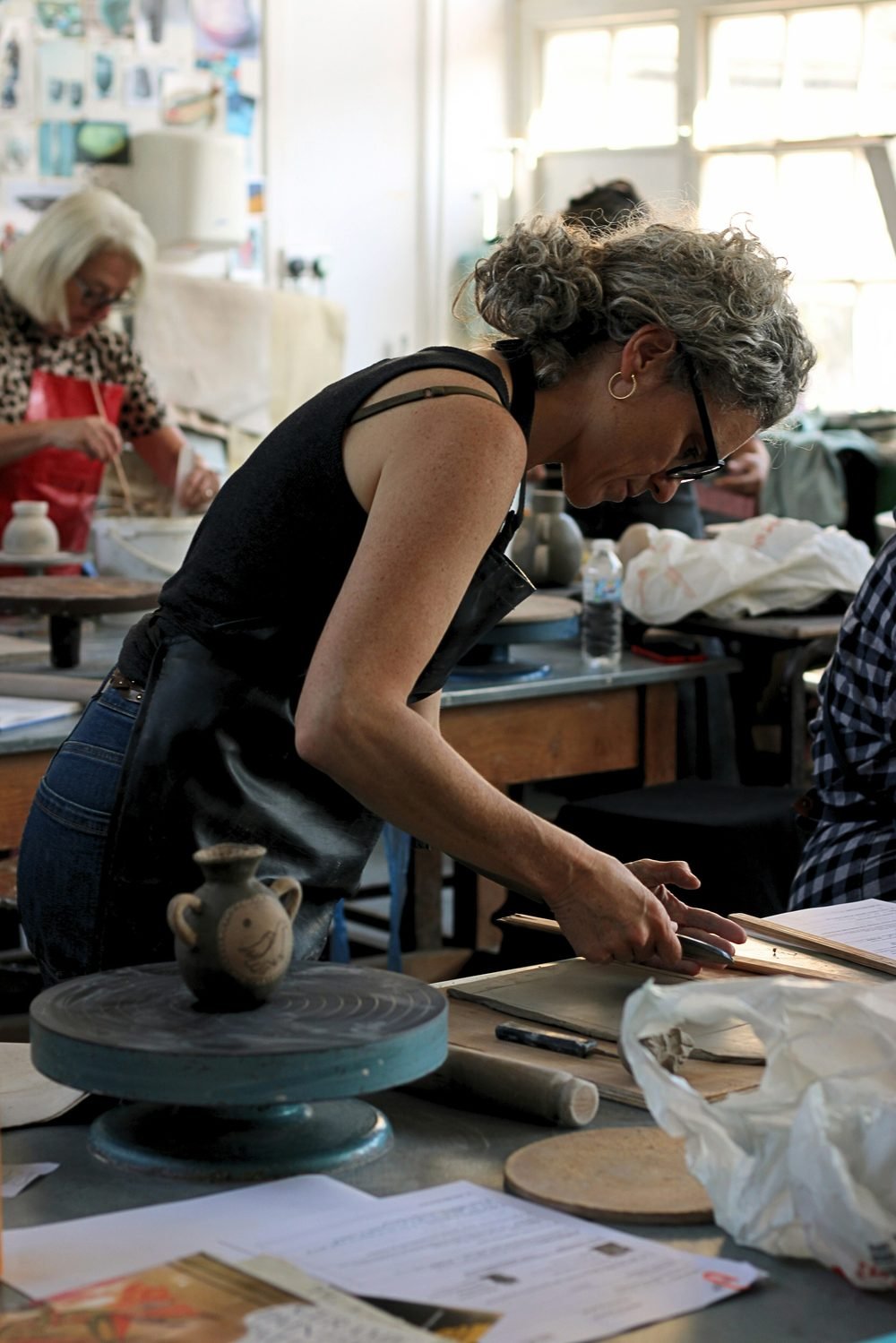
Ceramics
Pottery, sculpture, and fired work — one of the oldest human creative practices.
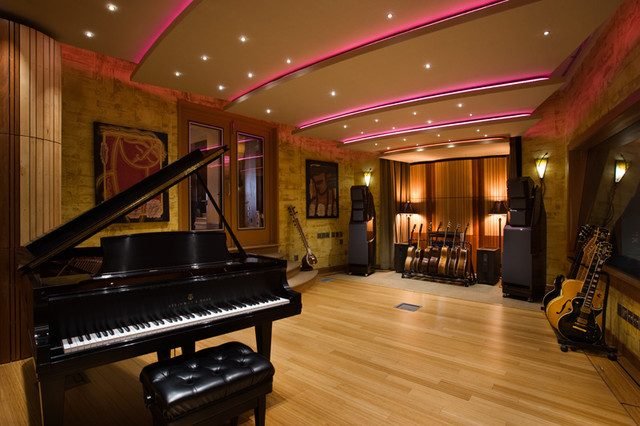
Music and Video
A recording and broadcast studio for music, spoken word, webinars, and the tribe's creative output.
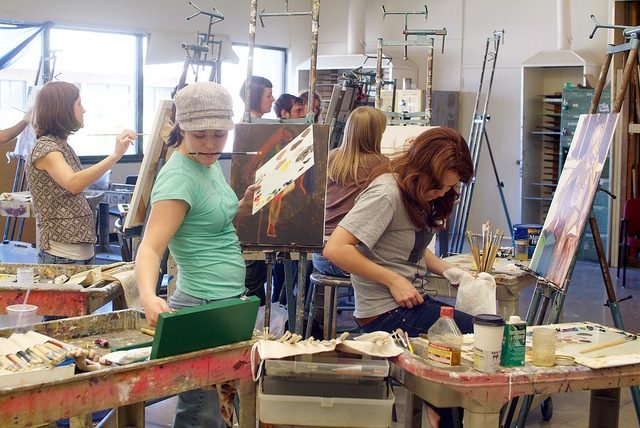
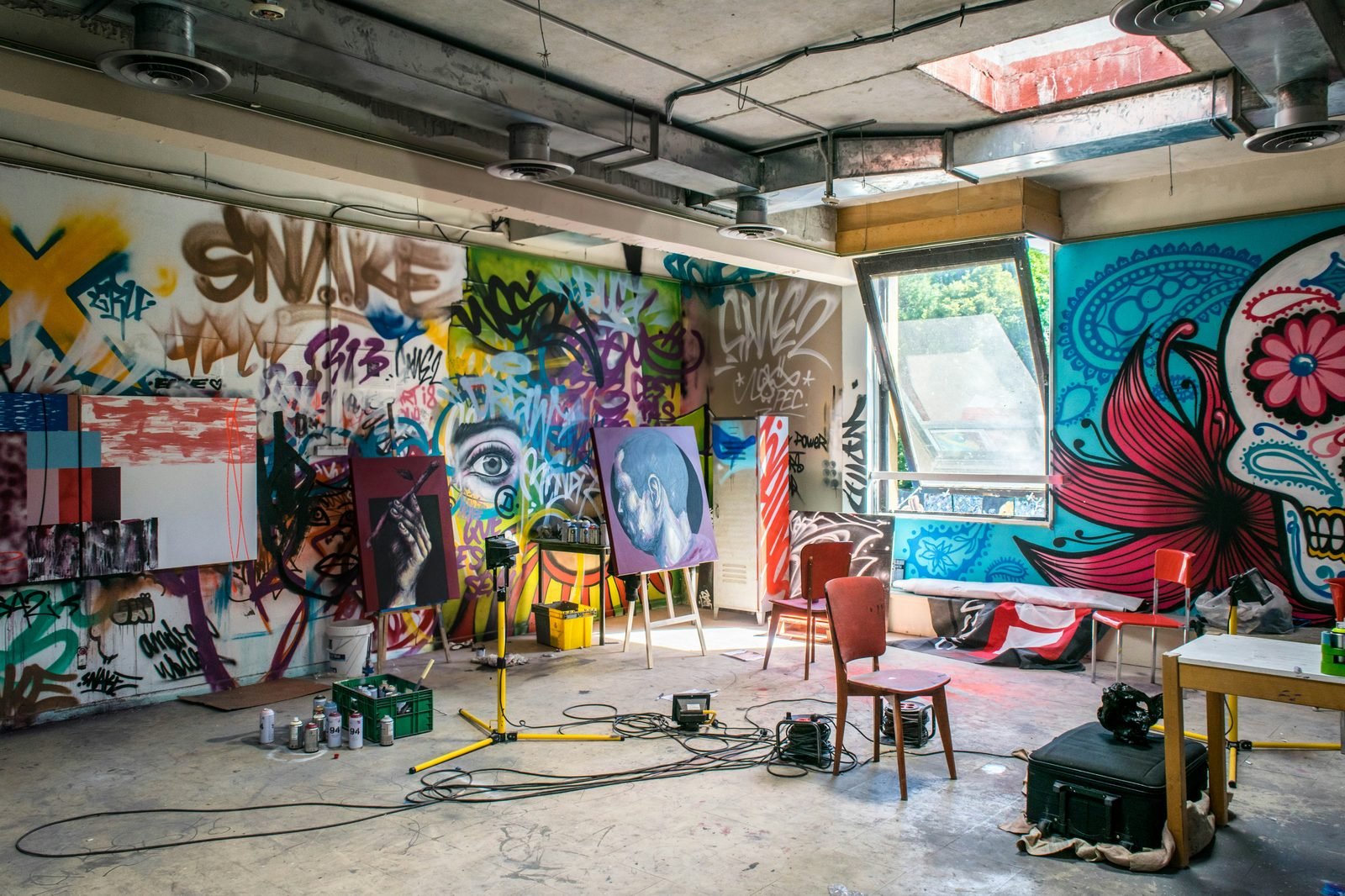
Visual Art
Painting, drawing, and mixed media. Large enough for serious work. Natural light wherever possible.
Studios and workshops — making things with hands and minds
∿
Food and land
The kitchen and the farm.
The kitchen
Large enough to serve the full tribe. GAPS-inspired: bone broths, fermented foods, seasonal produce, good fats. Everyone participates — the kitchen team coordinates rather than controls.
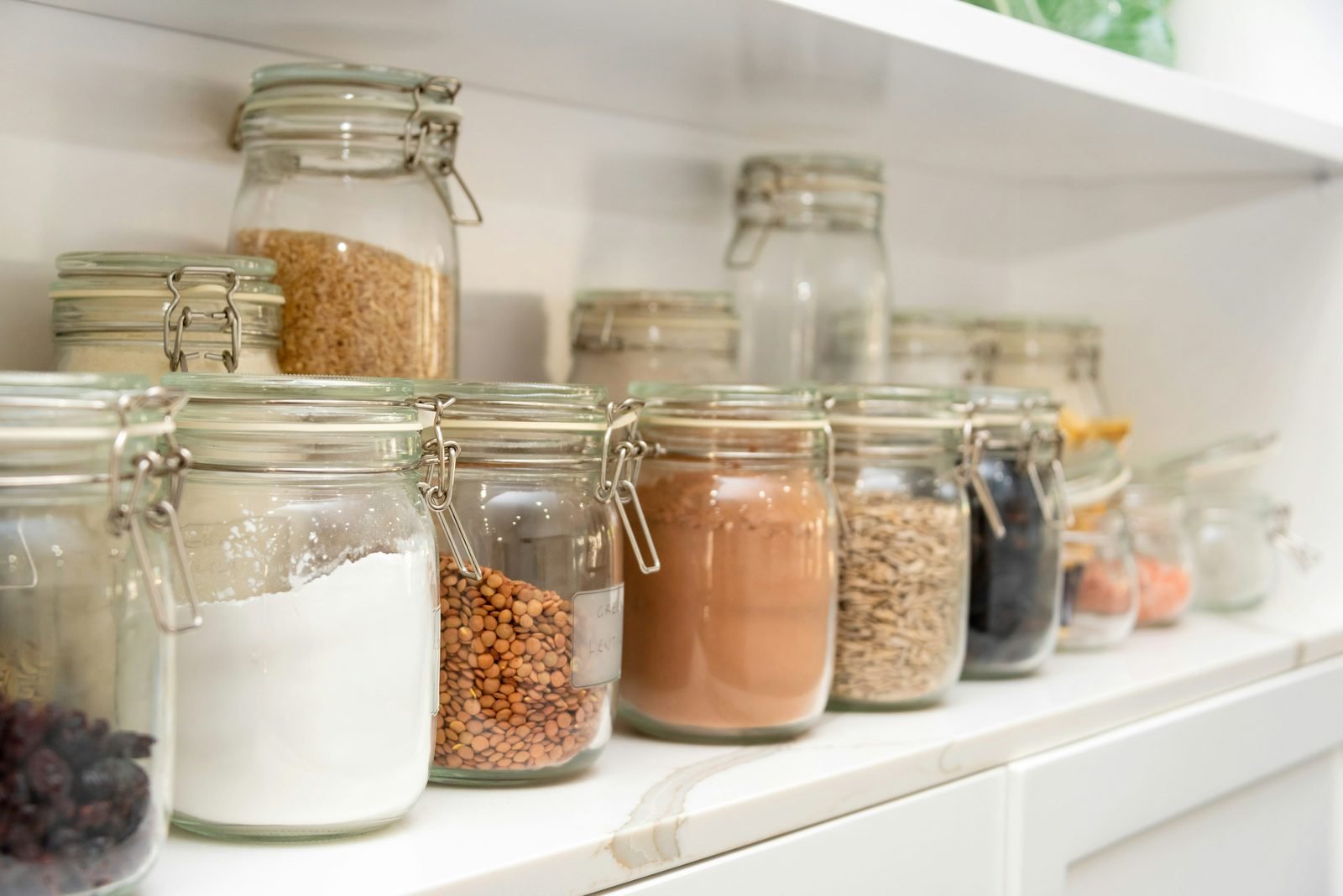
The cold store and pantry
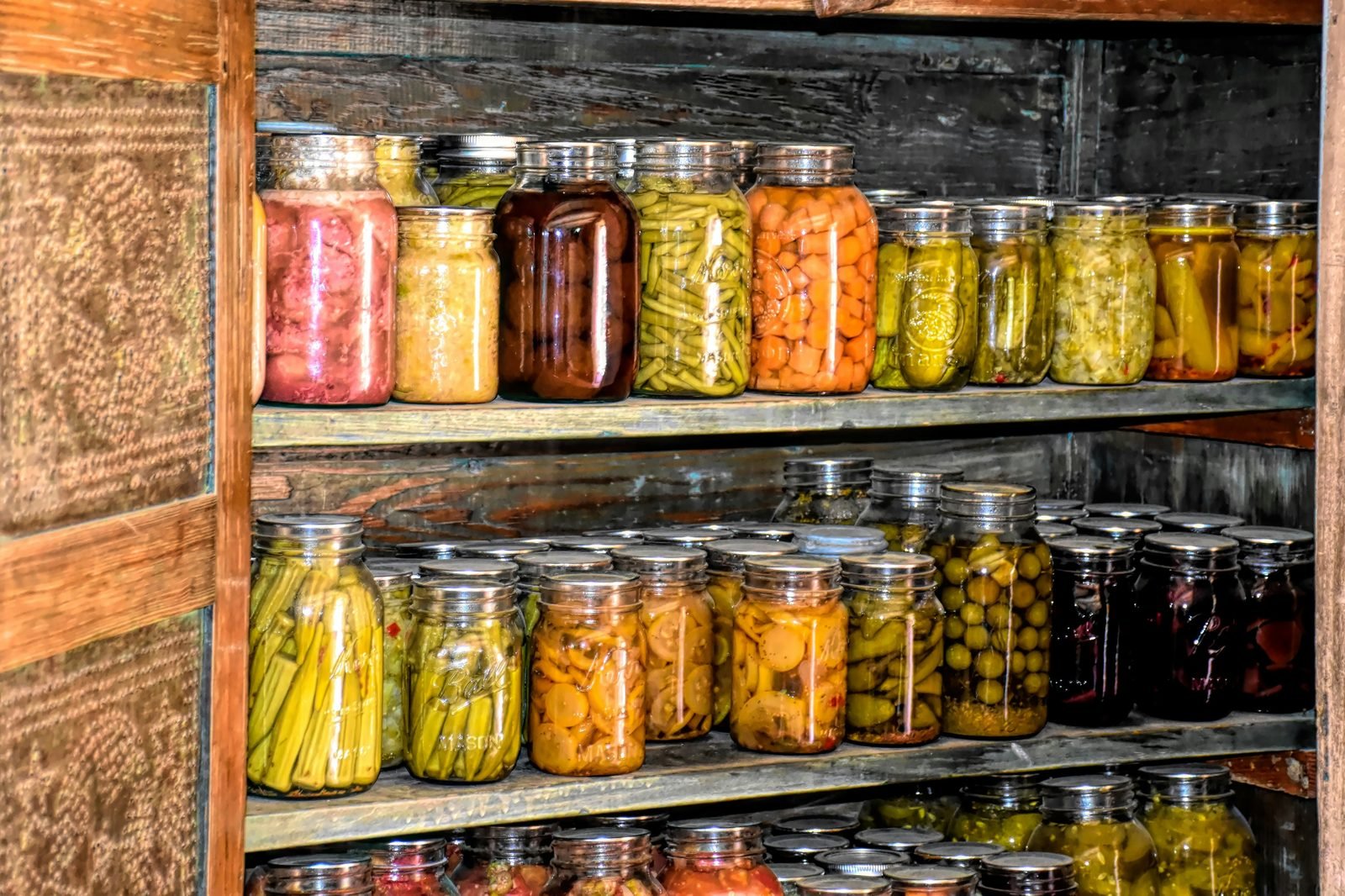
A large cold room for pickles, kimchi, sauerkraut, kefir, and all fermented produce. The pantry as pharmacy — stocked with the preserved wisdom of seasonal abundance.
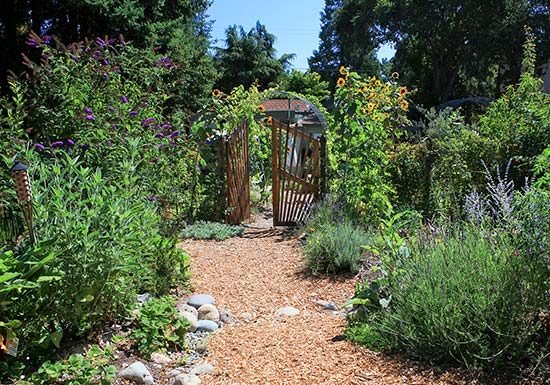
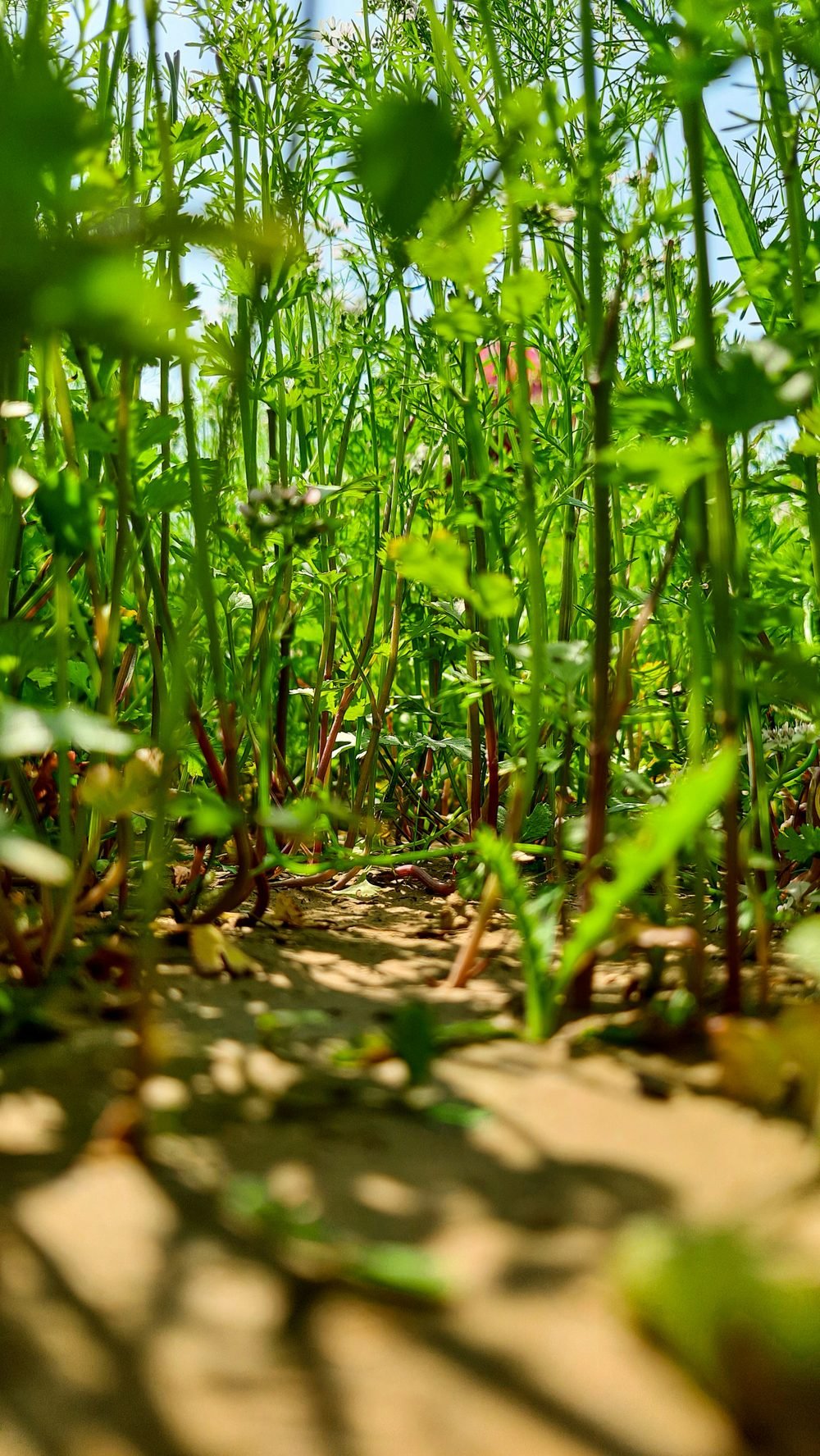
The permaculture garden
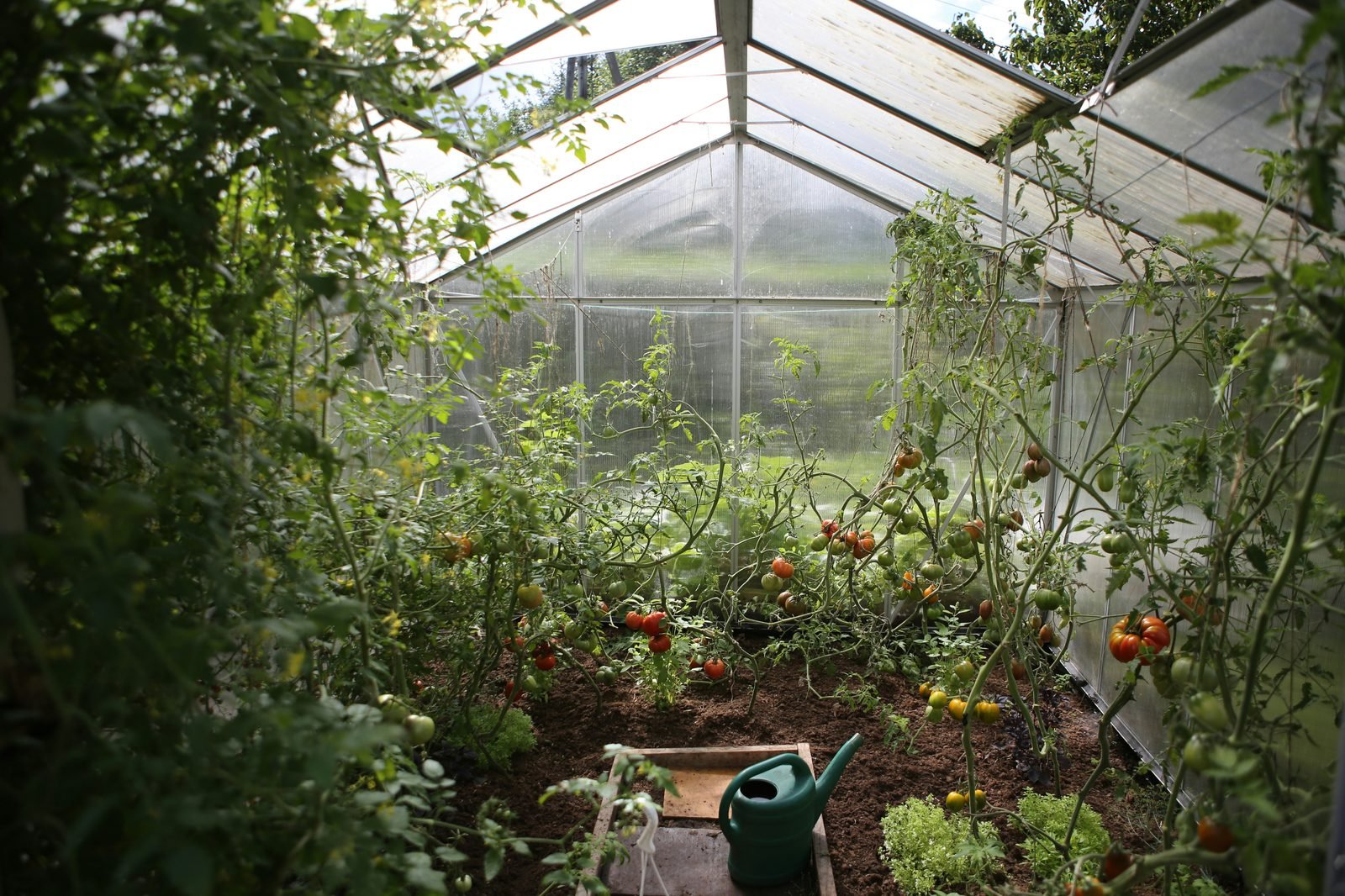
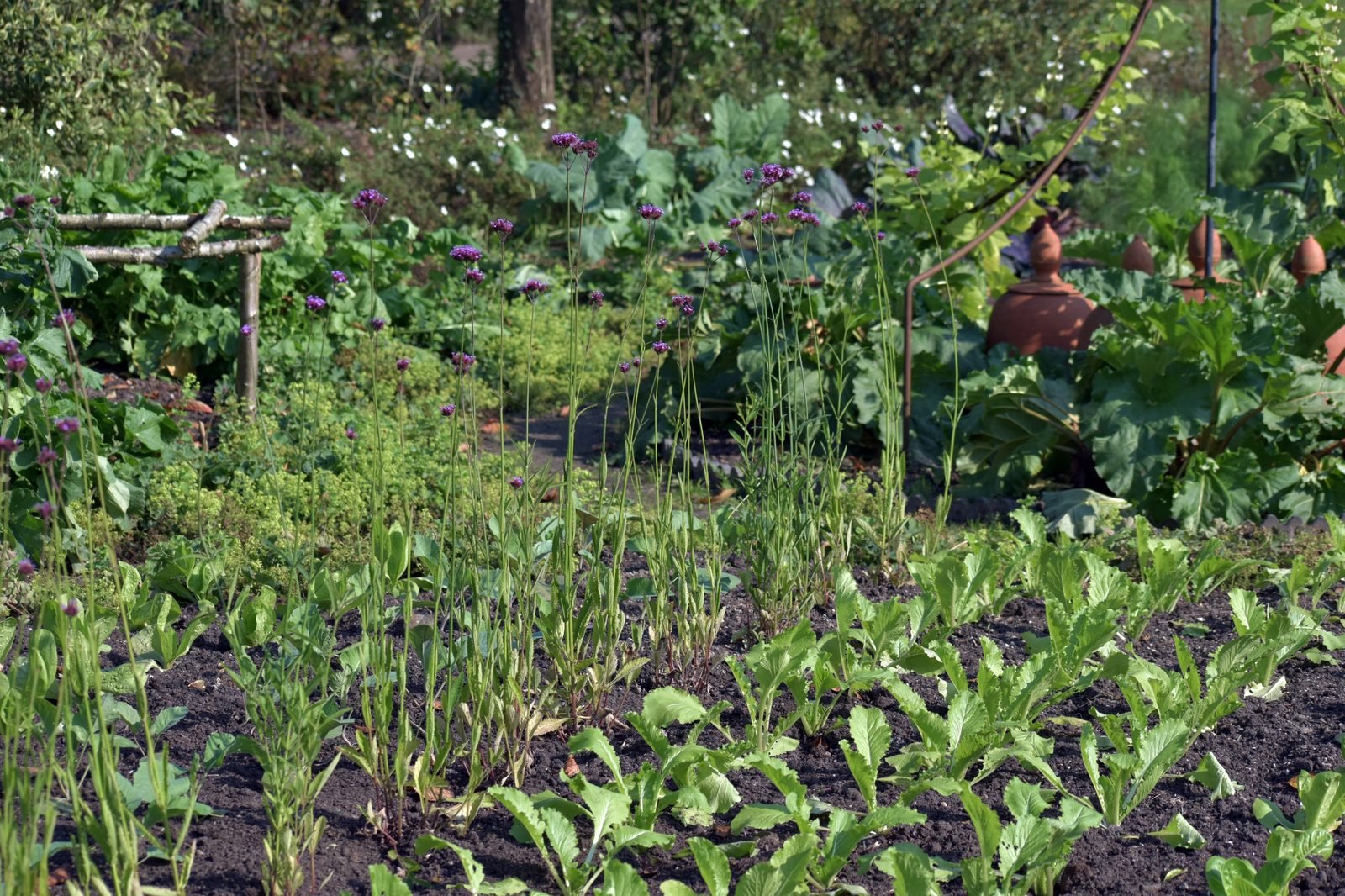
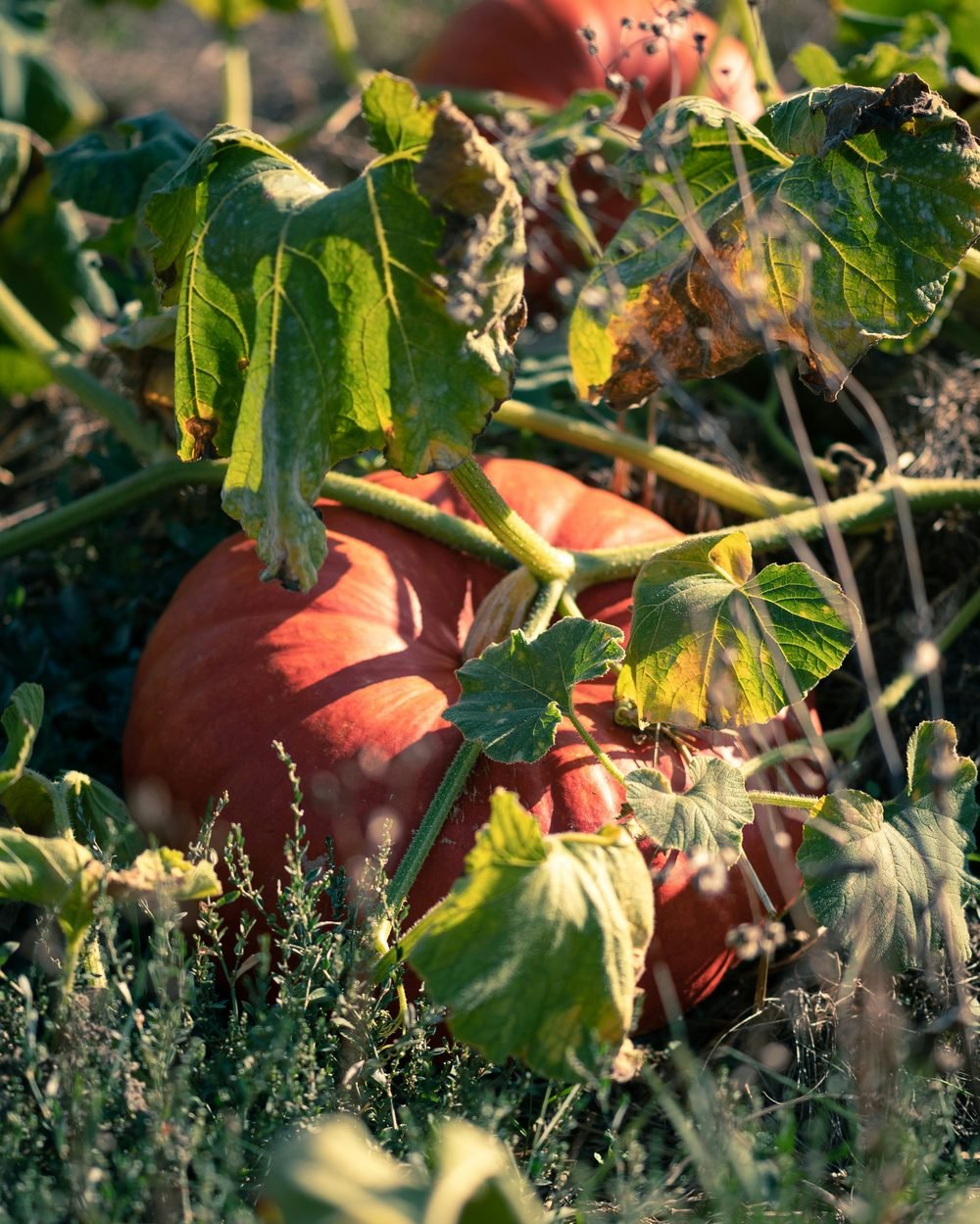
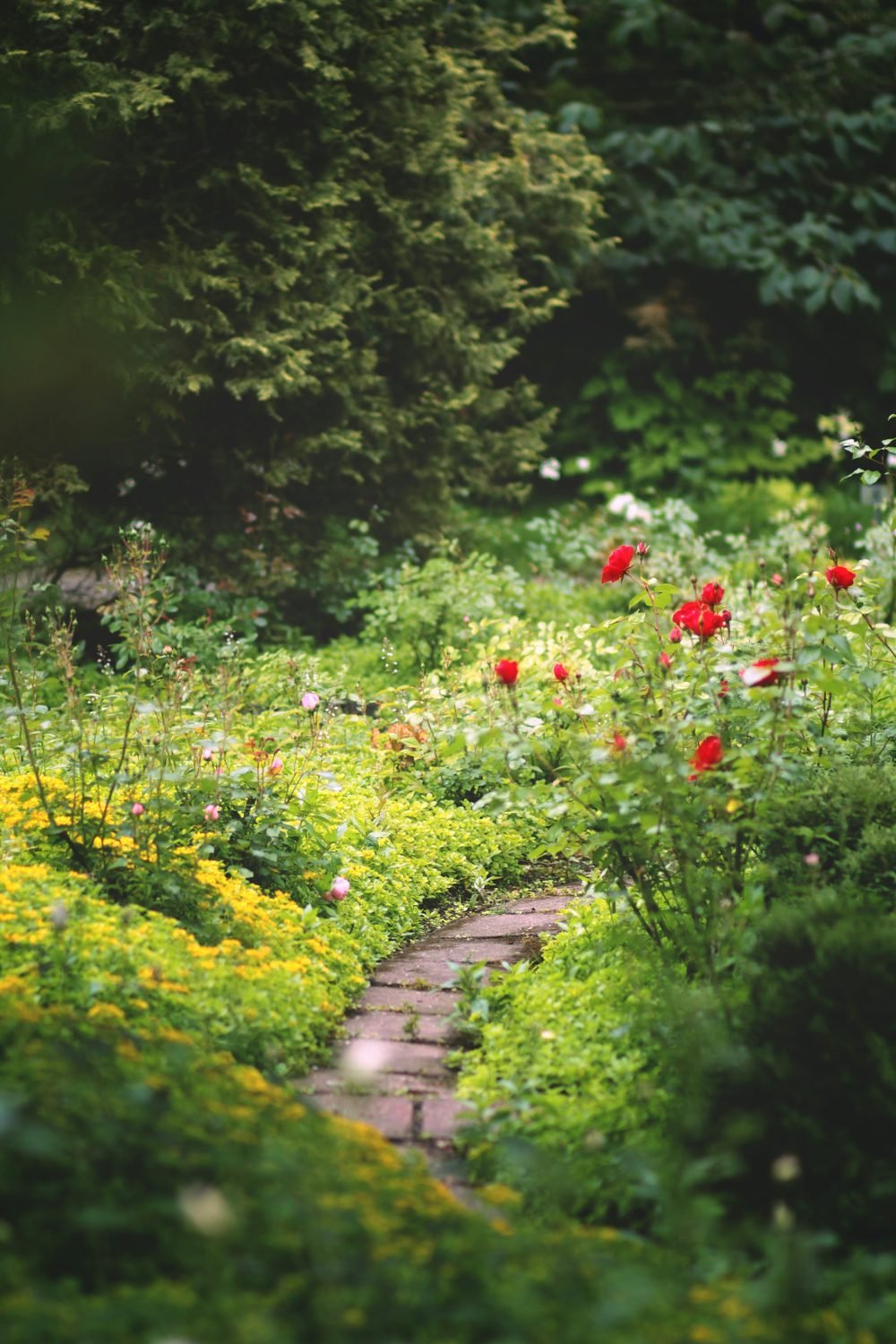
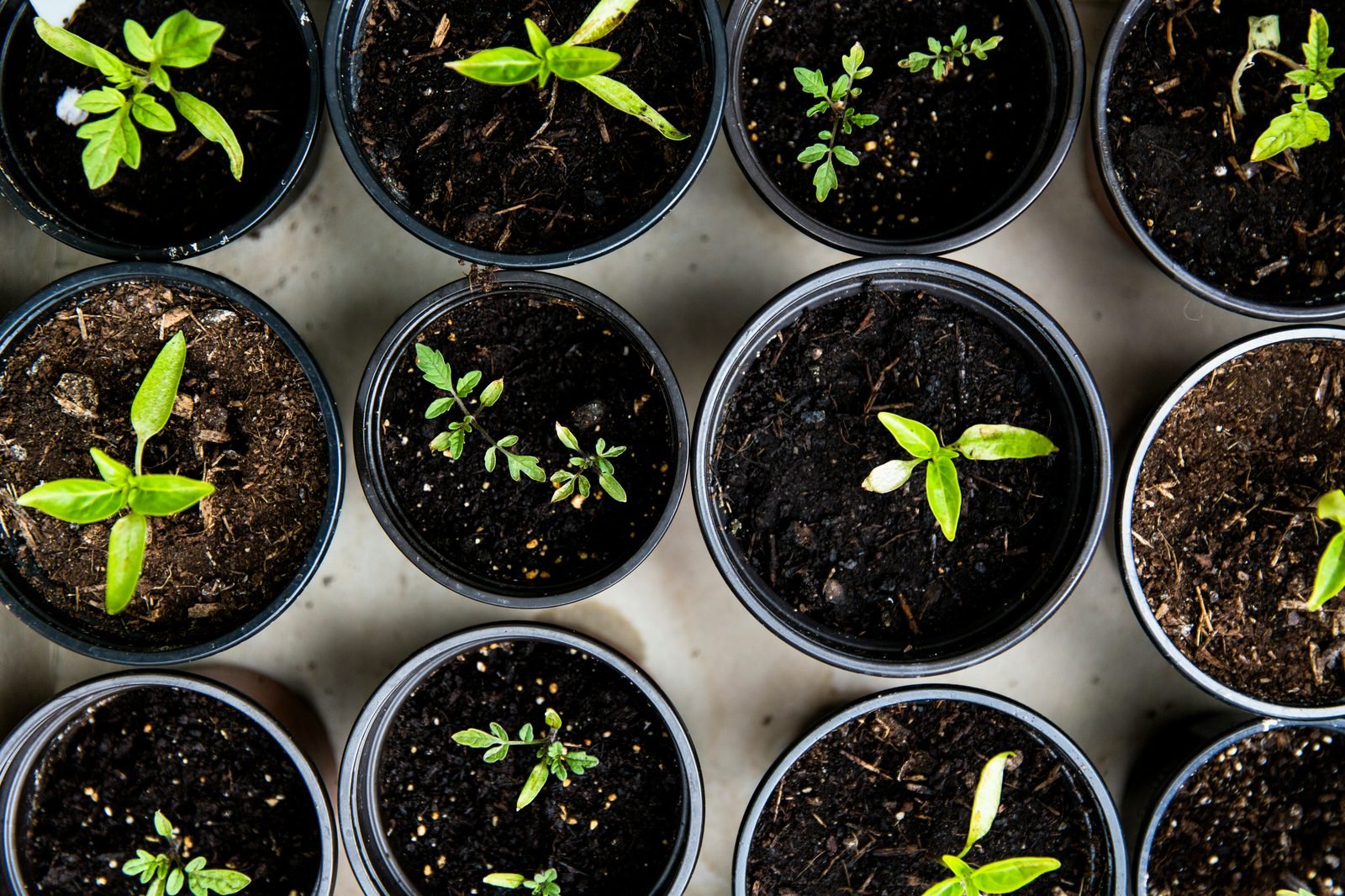
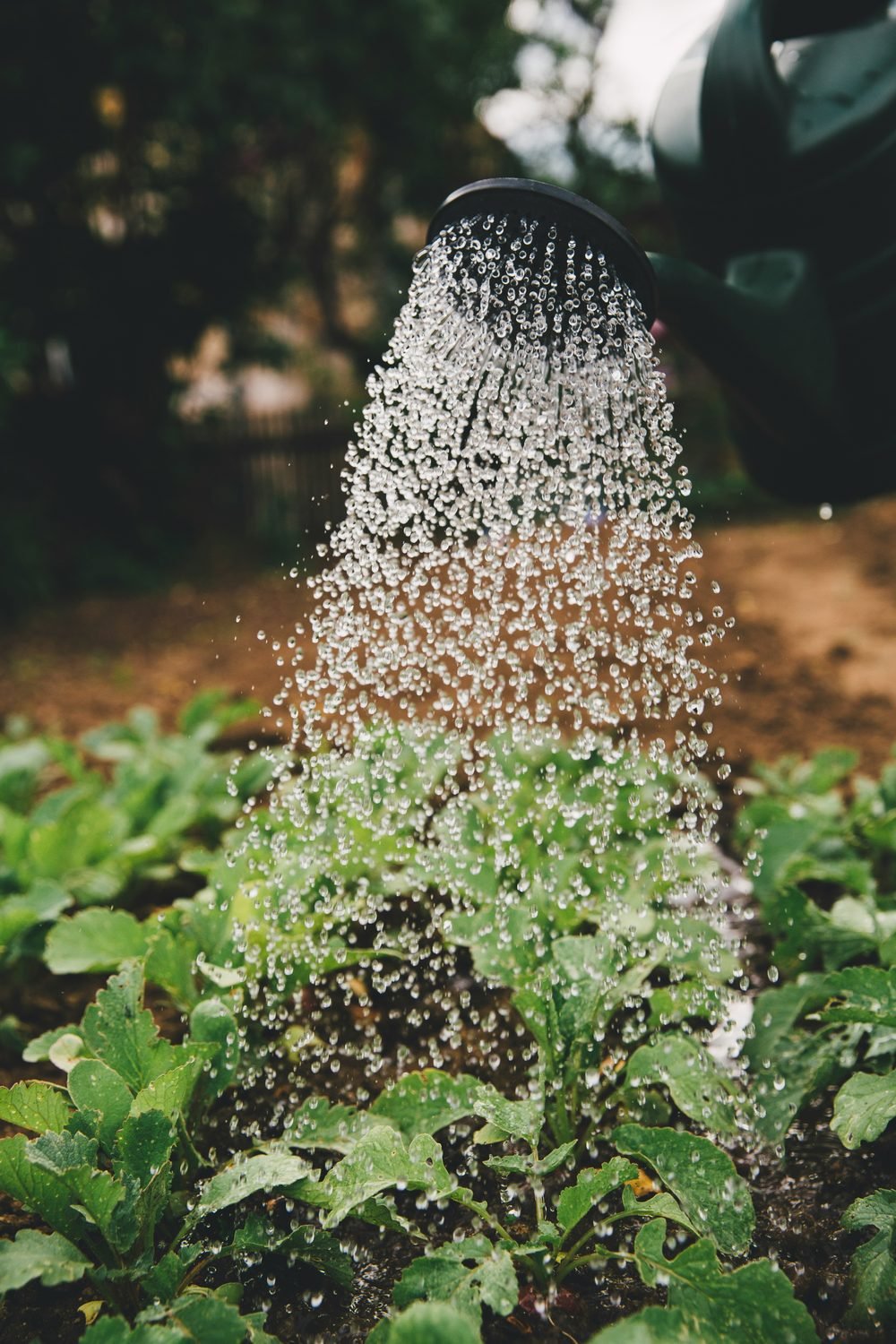
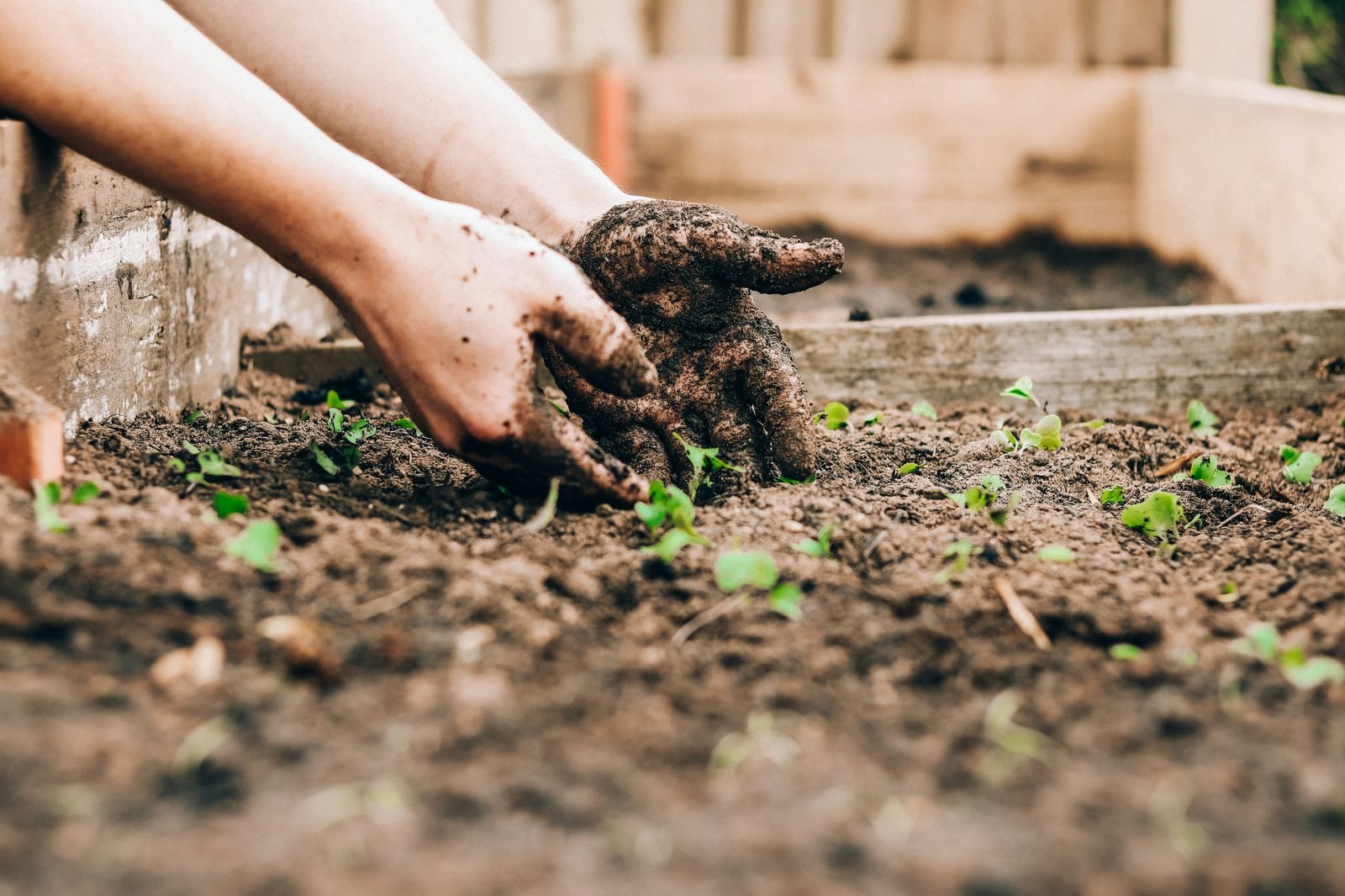
Regenerative growing practices. A polytunnel for year-round production. Vegetable beds, herb gardens, fruit trees. Growing food is a daily practice for the whole tribe.
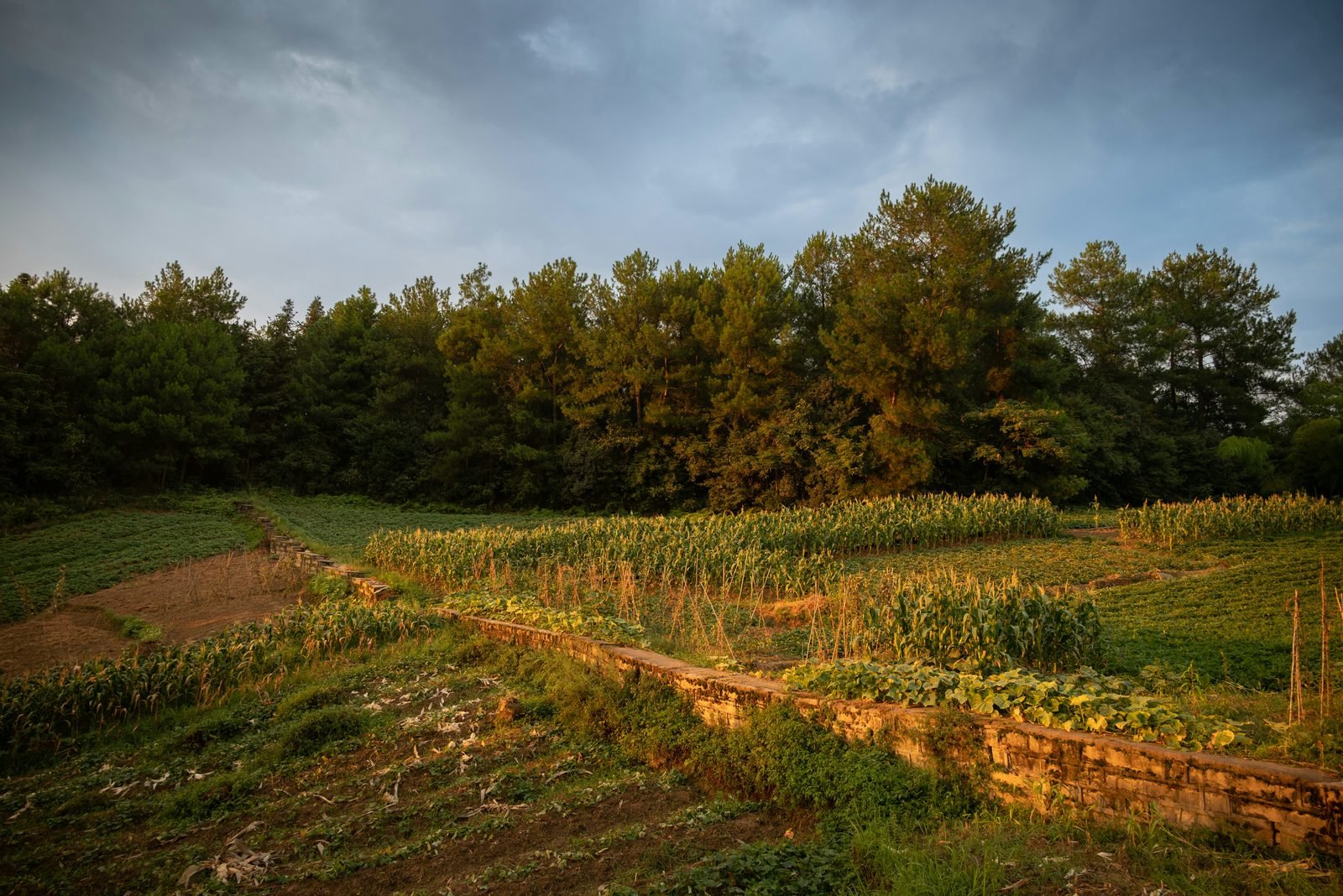
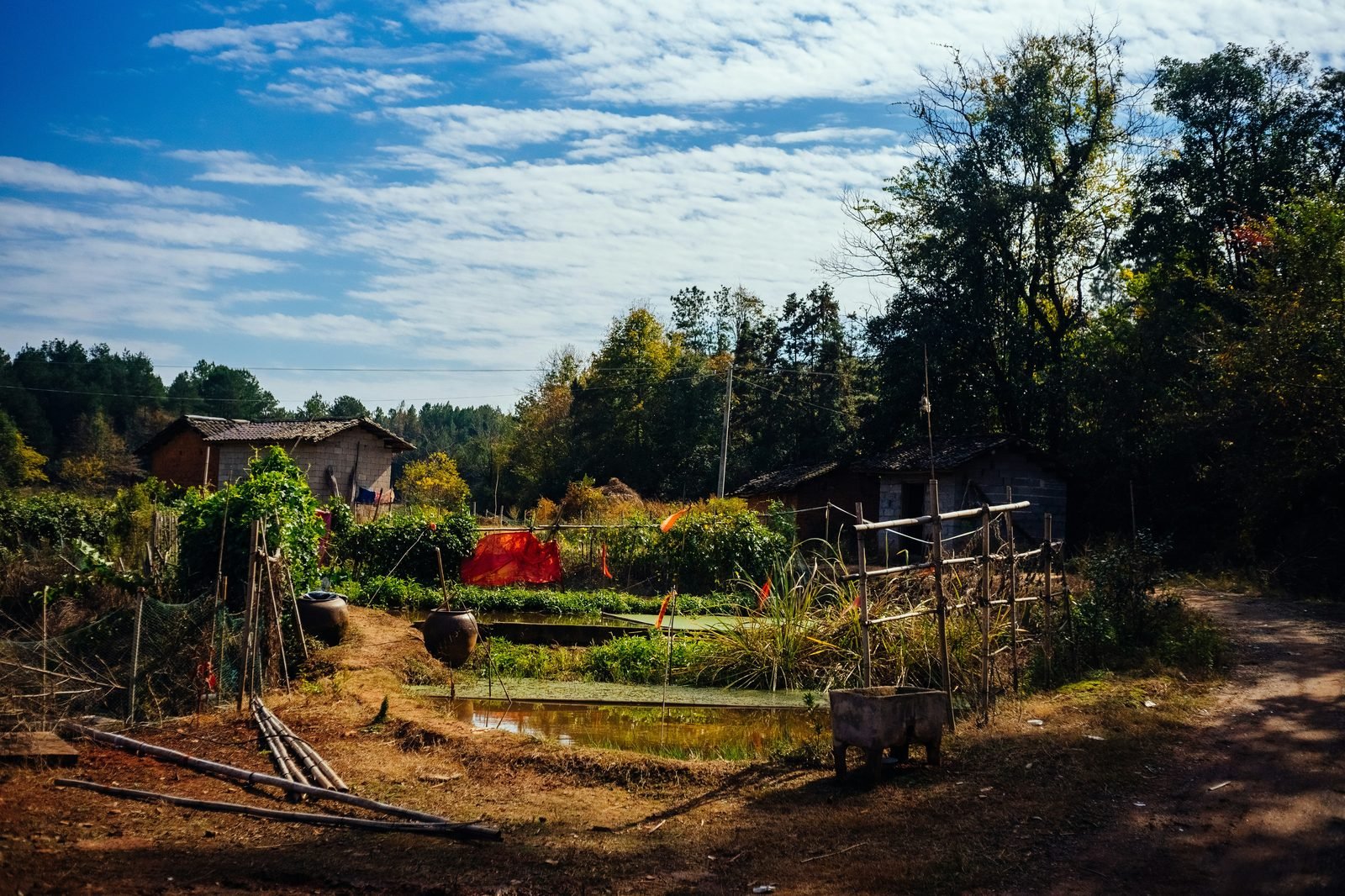
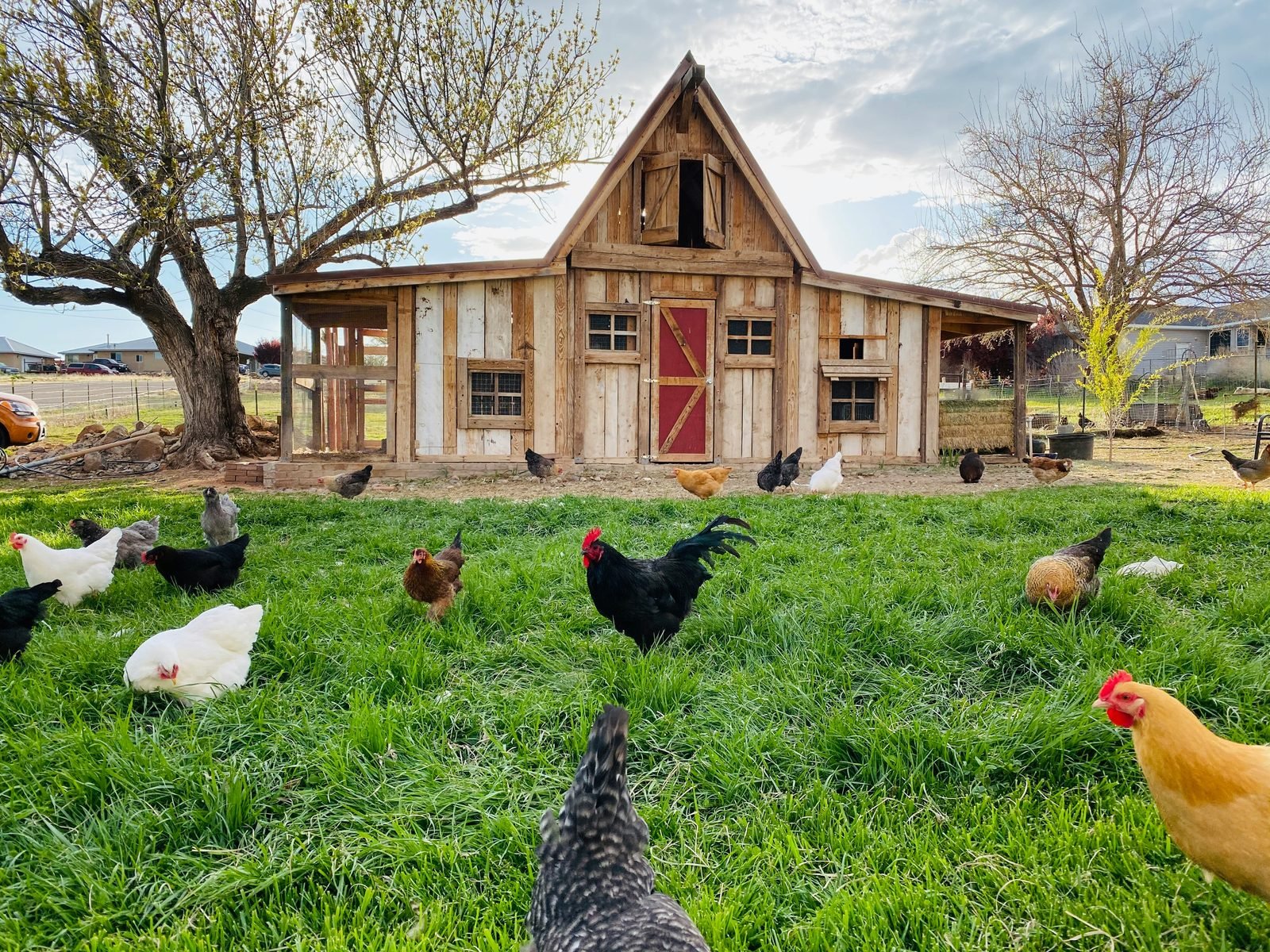
The farm
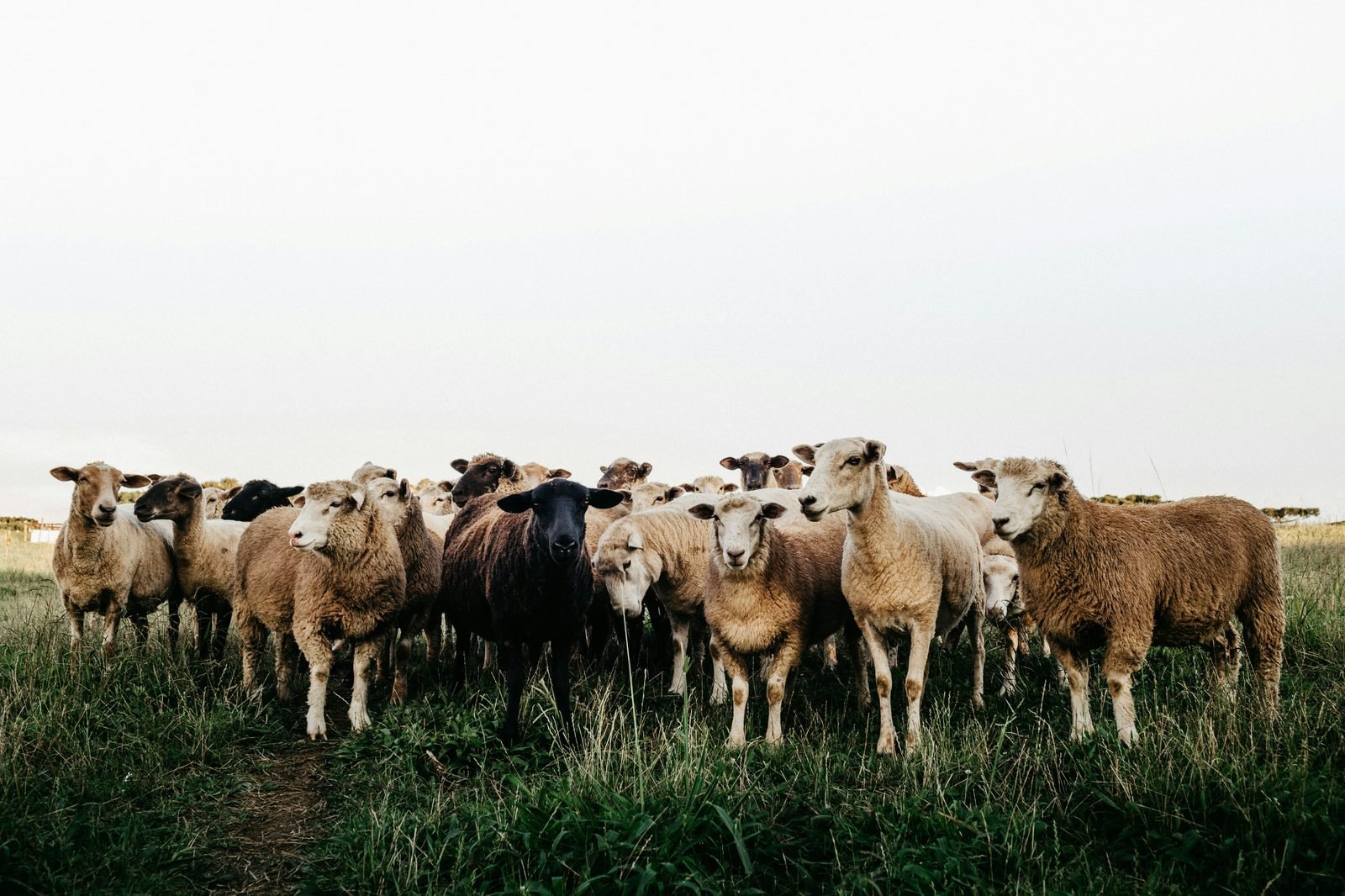
Initially goats, chickens, and dairy animals — expanding over time. The farm is the metabolic heart of the tribe's self-sufficiency.
Food, land, and animals
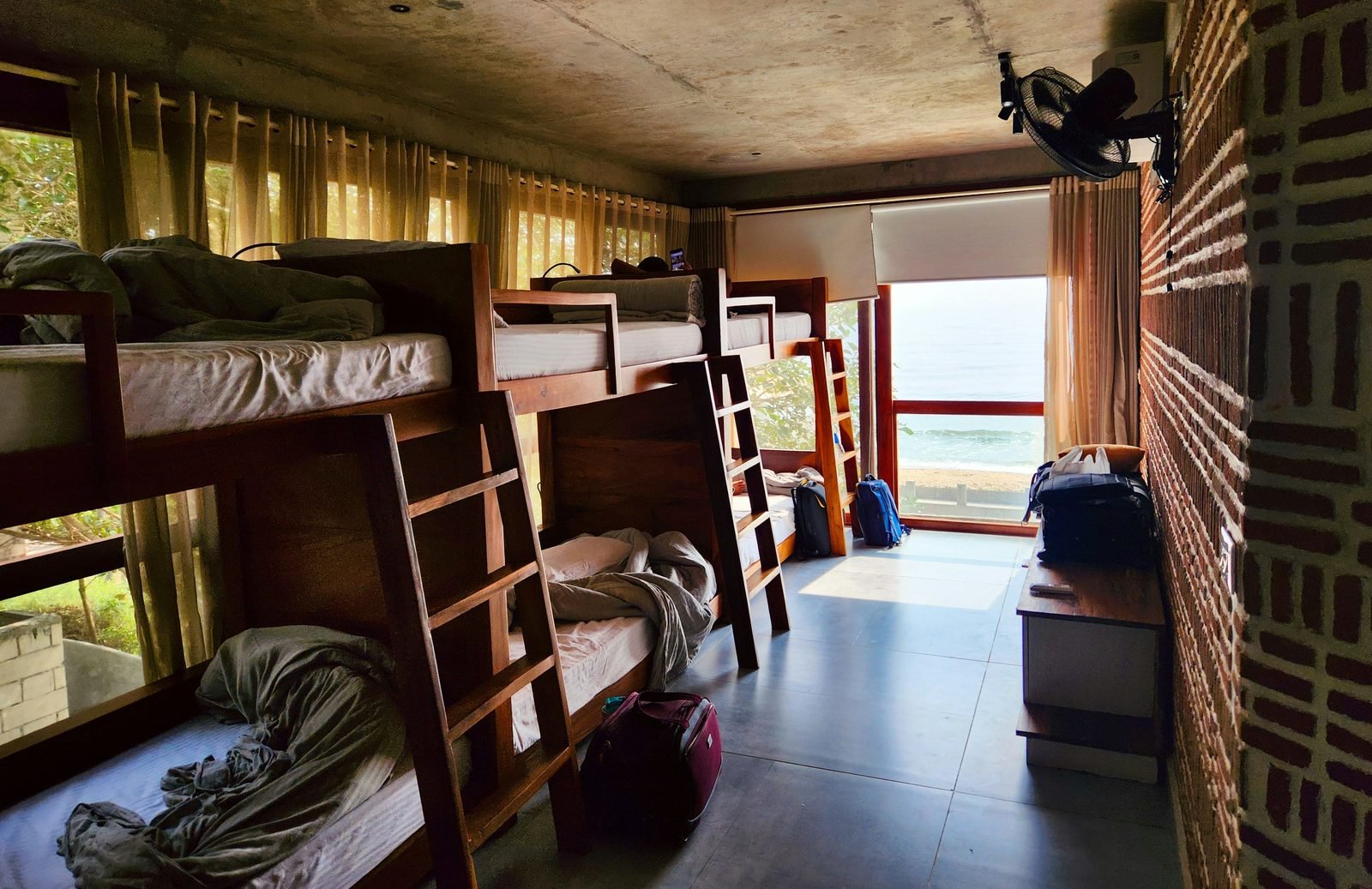
The volunteer and guest dormitory
Simple, intentional, and entirely sufficient.
The shared dormitory serves another purpose by day. By night, hammocks are suspended from hooks along the walls, and roll-out futons or thin inflatable mattresses are laid out for those who prefer them. The room sleeps 6–8 people comfortably. For those who prefer it, tarpaulins can be pitched on the land — sleeping outside on the ground is actively welcomed at HOME.
The simplicity is intentional. People arrive so alive from their days here that sleeping arrangements cease to matter. That realisation is part of what HOME teaches.
Soil regeneration
Feeding the land as richly as it feeds us.
HOME operates a complete closed-loop soil system — every output of the tribe feeding back into the land. The permaculture garden will be among the most richly nourished growing environments possible.
Kelp and seaweed
Harvested dry from beaches, powdered, and worked into the soil. Seaweed transforms soil structure and mineral content extraordinarily quickly — one of the most potent and freely available soil amendments available, particularly near the coast.
Vermiculture
Worm composting using red wigglers to process organic matter into rich castings. One of the oldest and most effective methods of soil regeneration — producing a compost of exceptional quality from kitchen and garden waste.
Bokashi composting
A fermentation-based composting method using effective microorganisms to process organic matter — including material that conventional composting cannot handle. Fast, odourless, and extraordinarily effective at building soil biology.
Humanure — closed loop
Compost toilets are divided by use — one system for those on no prescription medication, a separate system for those also avoiding refined sugar, keeping the inputs as biologically clean as possible. Faecal matter is processed through bokashi and composting before being returned to the land. Urine is collected separately and used directly as a nitrogen-rich soil amendment. Nothing is wasted. Everything returns.
Wellbeing and sustainability
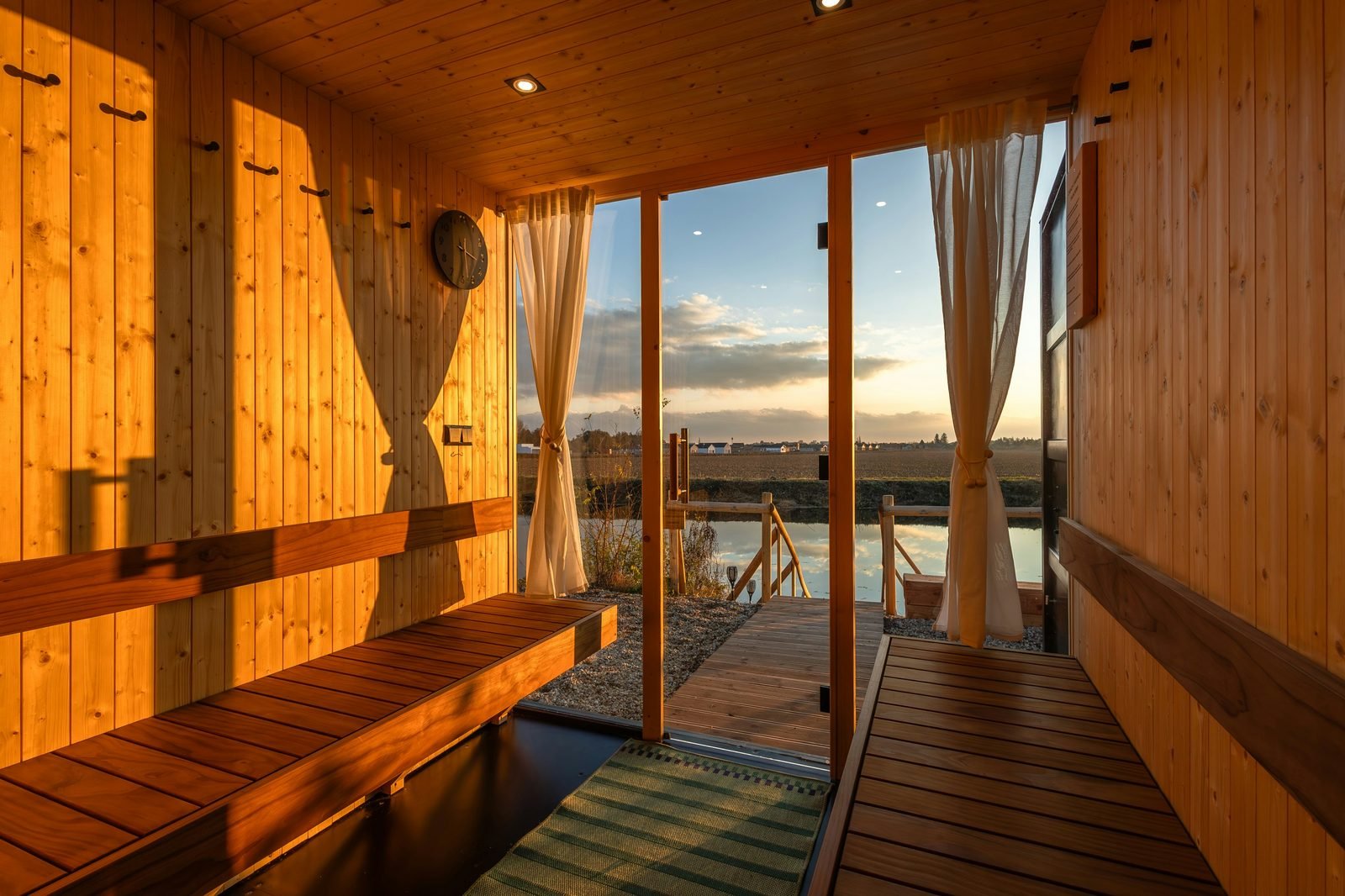
Sauna and cold plunge
Wood-fired or infrared sauna adjacent to cold water plunge — ideally the sea itself. Ice bath, outdoor shower. The hot-cold cycle as daily practice, not luxury.
Compost toilets
No water toilets. Compost used directly in the agricultural cycle. Waste as resource.
Passive and earth-source heating
Ground source heat pump and earth tube heat exchanger — drawing on stable ground temperatures to heat the site year-round with minimal energy input.
Solar, wind and water recycling
Every imaginative means of harnessing free energy applied wherever possible. The site treated as a closed-loop system wherever the land allows.